There’s always a lot of talk surrounding different periods in design history. “This is so Gothic”, “Mid-Century Modern is back”, “a nod to Ancient Greek design”… these can be used within the industry, in marketing, or amongst the general public. But, are these references even accurate? The answer seems to be sometimes. There are certainly very recognizable design periods like Mid-Century and Gothic, but others are more nuanced and have some similarities that can be confusing. For that reason, I have decided to make a quick little timeline for you all to use as a reference sheet of the most notable parts of each period in design history. When I say “design history”, I am referring to interior and architectural design since that is my industry, but some of these periods I will be outlining can line up with other design histories, such as art or fashion design.
Without further ado, here is your list 🙂
Prehistoric:
Summary: I mean, the name says it all – this is the time before history. There wasn’t much going on in the design world because everyone was more worried about surviving than making their home look nice. Despite what most may think, though, there were actually more details in a home. There were sleeping areas like beds, seating areas like couches, storage areas like dressers, and central warming centers like fireplaces or “hearths”. Natural materials such as clay, fur, and feathers were used as decoration or for pigments. Pottery and paintings were also used for decoration or storytelling.
Example: Stonehenge is perhaps the most notable and widely recognized prehistoric structure. The unique arrangement of stones is something that thousands travel to every year just to get a glimpse into the past.
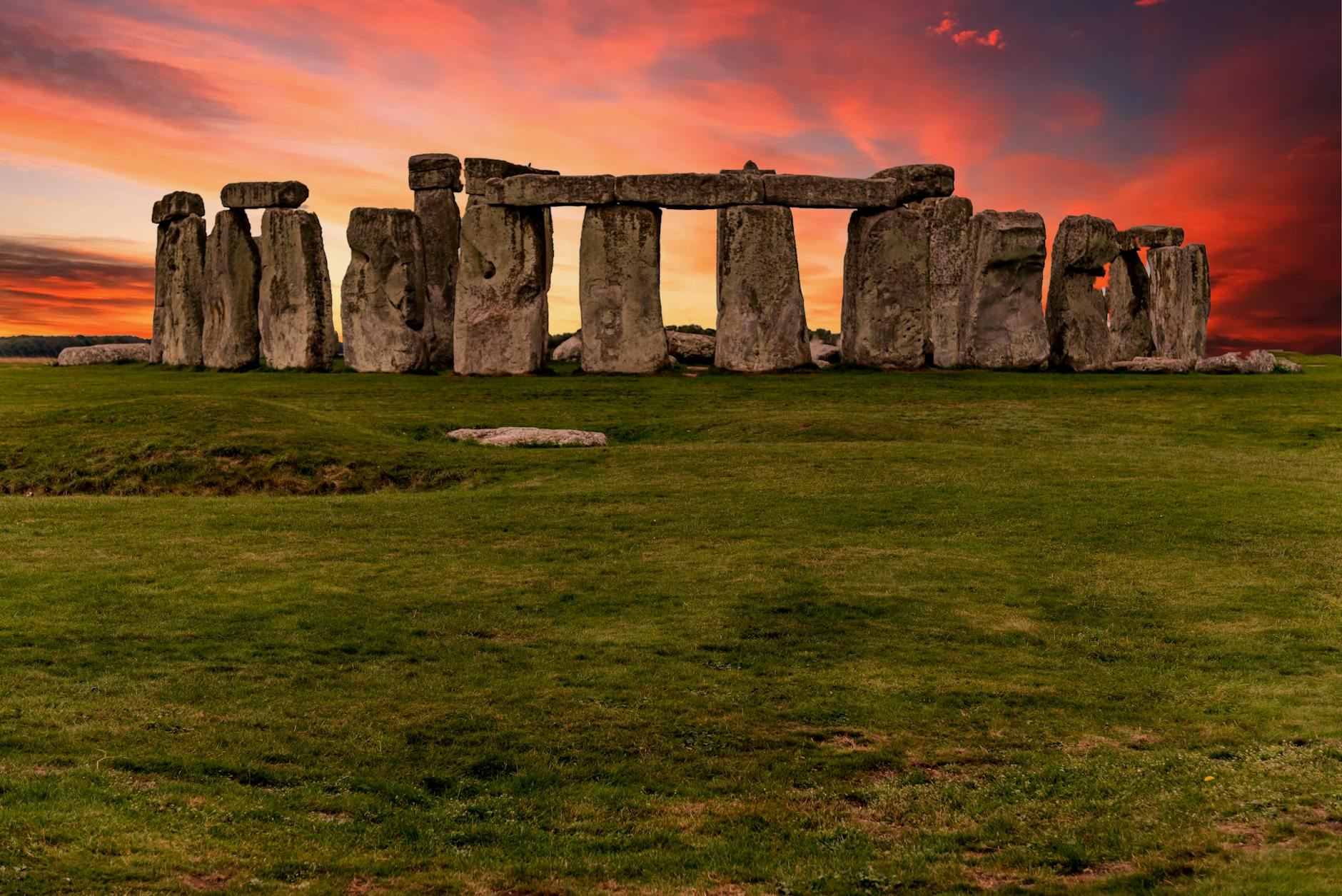
Use in Modern Design: In a modern home, prehistoric artwork is an easy way to include some of the past in your design. Additionally, crude vases made from natural materials add texture and interest, and are often a great talking piece!
Indigenous:
Summary: Possibly considered a subsection of the prehistoric design, this period is in reference to the indigenous people of the Americas. There was still an exclusive focus on natural materials, as that was all that was available, but due to the location, there were some unique uses. Those who travelled built teepees, which were temporary tents that were conic in shape, and those who remained in one spot for an extended period of time built longhouses, wigwams, or even cities carved into the sides of mountains. All of these structures used bark, bushes, reeds, and other materials native to the Americas for construction as well as decoration, and animal products for decoration as well.
Example: Teepees themselves are some of the most recognizable structures used during this time, and are often displayed at powwows too as a sign of the culture of modern Native American tribes.
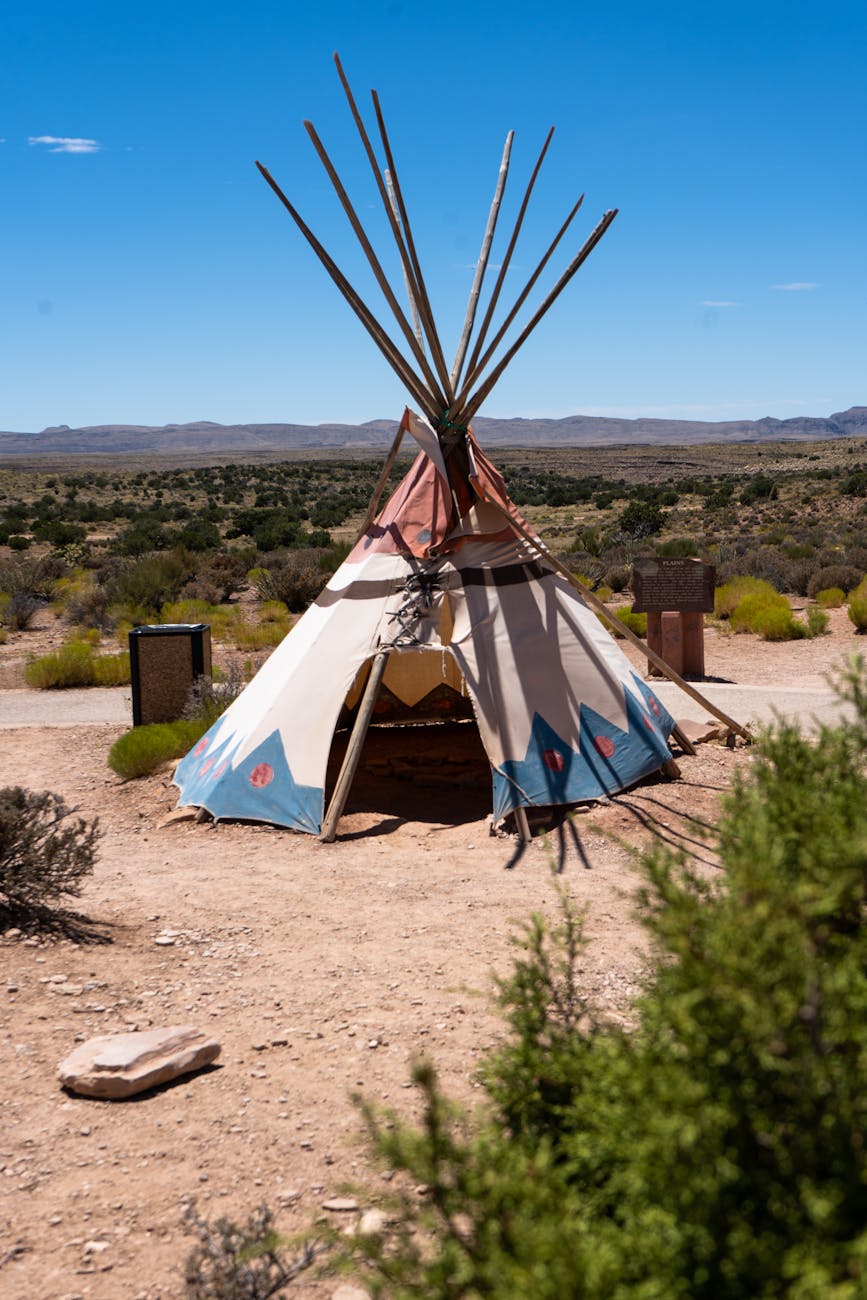
Use in Modern Design: With this period, there is a unique ability to access authentic, handmade artwork and décor directly from living Native Americans, as many of these tribes still exist in America! Whether you find some online from a reputable seller, go to a cultural event to honor and celebrate their heritage, or find a booth at an arts and crafts festival, it is quite easy to find some beautiful additions to your home.
Ancient Egyptian:
Summary: One of the more identifiable periods, Ancient Egyptian design was some of the first to incorporate metal materials in their homes. We see a HUGE jump in craftsmanship, with detailed carvings in handcrafted furniture and décor that is there for aesthetic just as much as, if not more than, function. Opulence is a great adjective for this period, with ebony, ivory, and wood being prominent materials. With the introduction of class systems, there was a wide range of furniture made by artisans – gorgeous gold chests and tables made for the rich, while simple, functional options were created for the workers and lower class.
Example: One of the wonders of the world, the Pyramids and Sphinx are on many people’s bucket lists, whether they are interested in architecture or not.

Use in Modern Design: We are lucky enough to have some well-preserved Ancient Egyptian furniture in museums, so it can help to view some of these, if you can, for inspiration. Gold details carved into a detailed wooden piece can give you the feeling that this period provides.
Ancient Greek:
Summary: This era ushered in the concept of well-designed and planned common areas, such as bathhouses and fountain houses. There was also a notable shift in materials and decorative elements that make this era also rather recognizable. Minimalism became very common, even with the wealthy, as people often opted for unique clothing instead. Most homes were uniform, with the differences being the contents for the classes. Mosaics, fresco paintings, rugs, and tapestries in earthy tones were common decorations, with fabric being used for upholstery in furniture as well. Furniture designs like the Klismo chair, Kline table, and Trapeza table are sometimes seen today, and were designed during this time.
Example: A notable feature of the Greek period is, unsurprisingly, columns. While there are multiple different types, these are used throughout a ton of other periods, and are also seen in modern architecture.
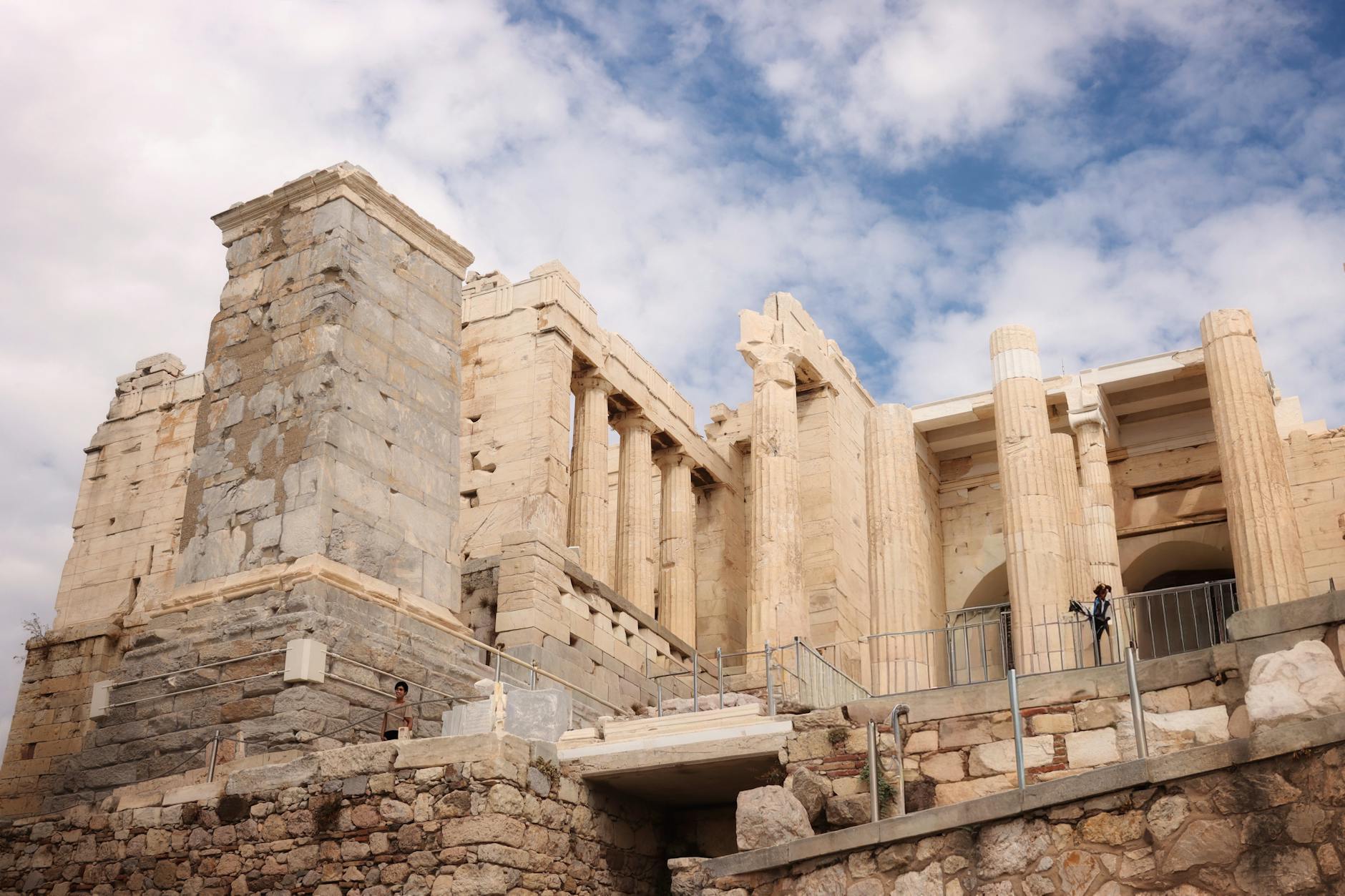
Use in Modern Design: Greek minimalism is still a common style used today. Tapestries hung on the walls or a tiled mosaic shower floor are two fun ways to incorporate some of the decorative features of this period into your home. Also, tons of natural lights!!
Ancient Roman:
Summary: Majorly influenced by the Greek period prior, it can be difficult to differentiate between the two. The big differences between the two are the style of columns (new designs were implemented by the Romans), expertly crafted furniture such as common mensa tables and the exclusive solium chair for wealthy people, and a bit more opulence. The interior walls were often adorned with murals and frescoes of mythological subjects.
Example: Another wonder of the world, the Colosseum of Ancient Rome is a living testament to the architecture of this period. While not a big representation of the interiors of this time, the structure itself speaks to the design sense of the time.
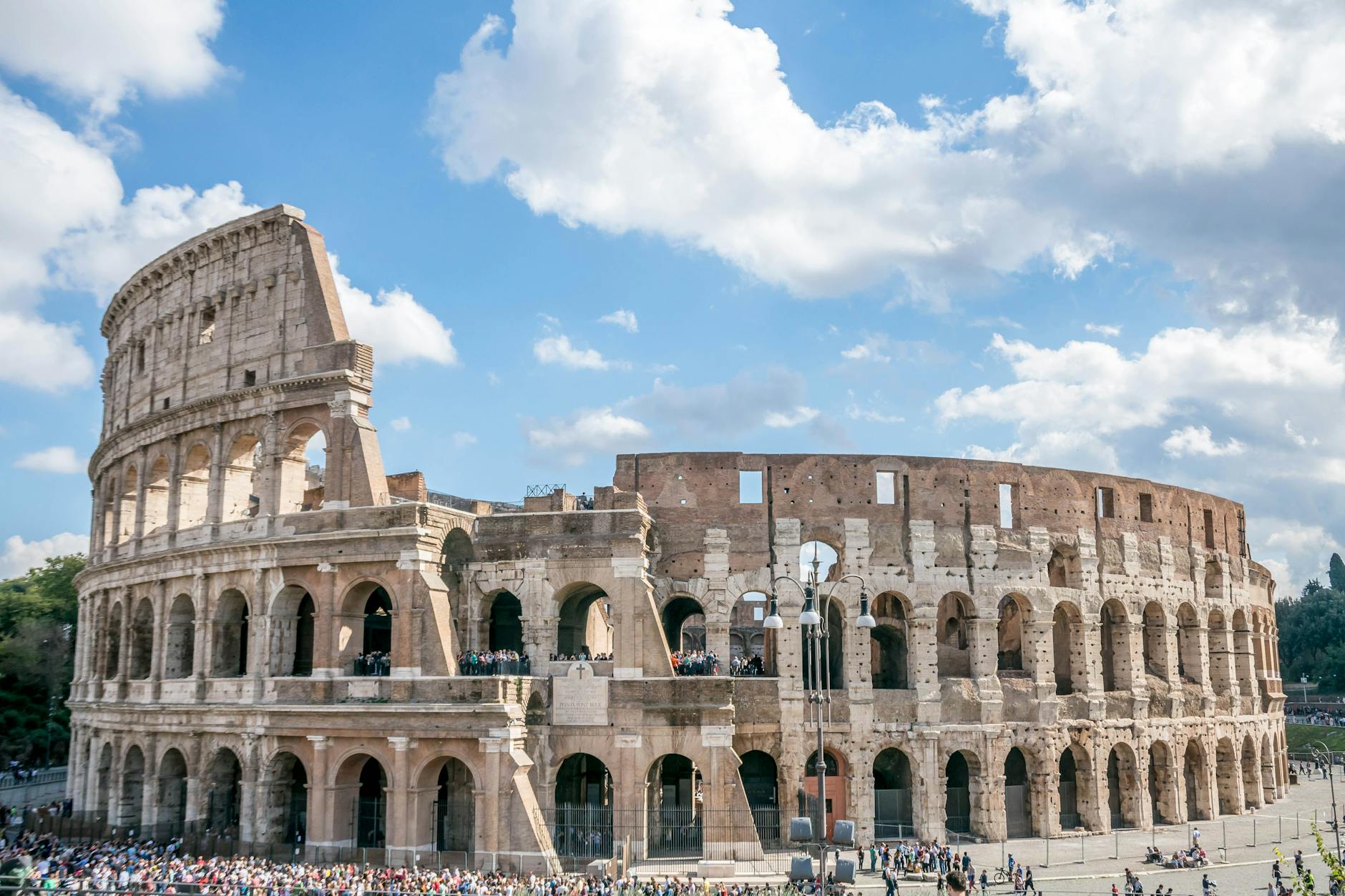
Use in Modern Design: The use of detailed, Corinthian columns can be a nod to this period. Additionally, the solium chair has been visually depicted in art, so this style of chair can be sourced for a period-accurate seating addition.
Pre-Romanesque:
Summary: This is the first period that really had a ton of different cultural influences. Because of this, we see some shifts in style. Arched windows became very popular as well as religious imagery, gilding, hand-painted metal details, and sculptures as a main focus. Tall doorways with arches were also common.
Example: There are only a couple of structures still standing from this era – one of which is the Santa María del Naranco, a church that is exemplary of all of the features from this period.
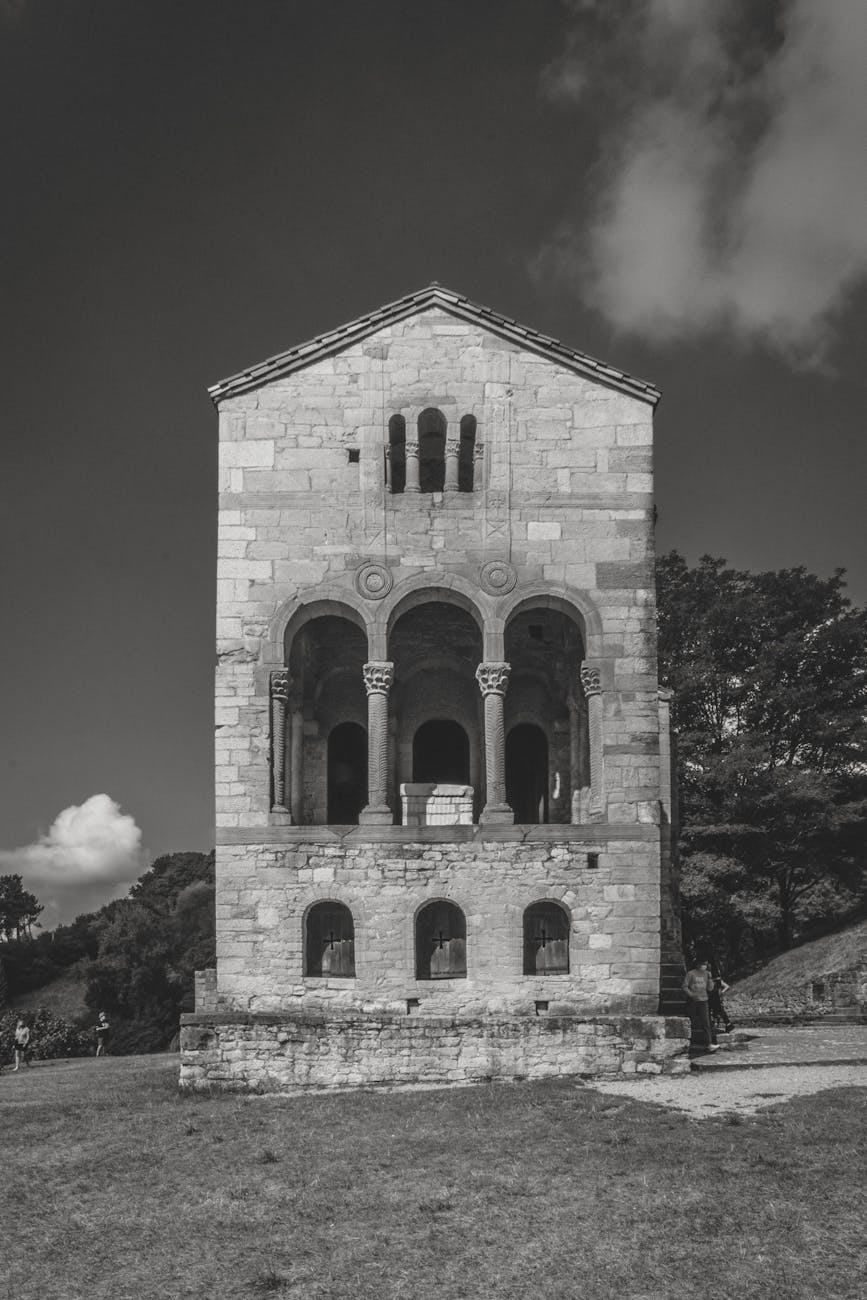
Use in Modern Design: The use of tall, arched windows or doorways is a surefire way to incorporate this period into your home. For a less structural approach, gilded artwork or frescos can be added to your walls for an Early Middle Ages feel.
Romanesque:
Summary: One of the earliest periods returning to a previous style, there are elements of Roman times present in this period. Columns reemerge to accompany the archways and vaulted ceilings from the pre-Romanesque times. More decorative elements were added as well, like corbels, stained glass, rose windows, bold colors, and gold leaf. The design of churches became extremely important as religion became the focal point of society.
Example: A landmark that is often the focus of trips, the Leaning Tower of Pisa is from this period. Its design is representative of the detailed elements of many buildings, and it is part of a religious property that represents the time in which it was built.
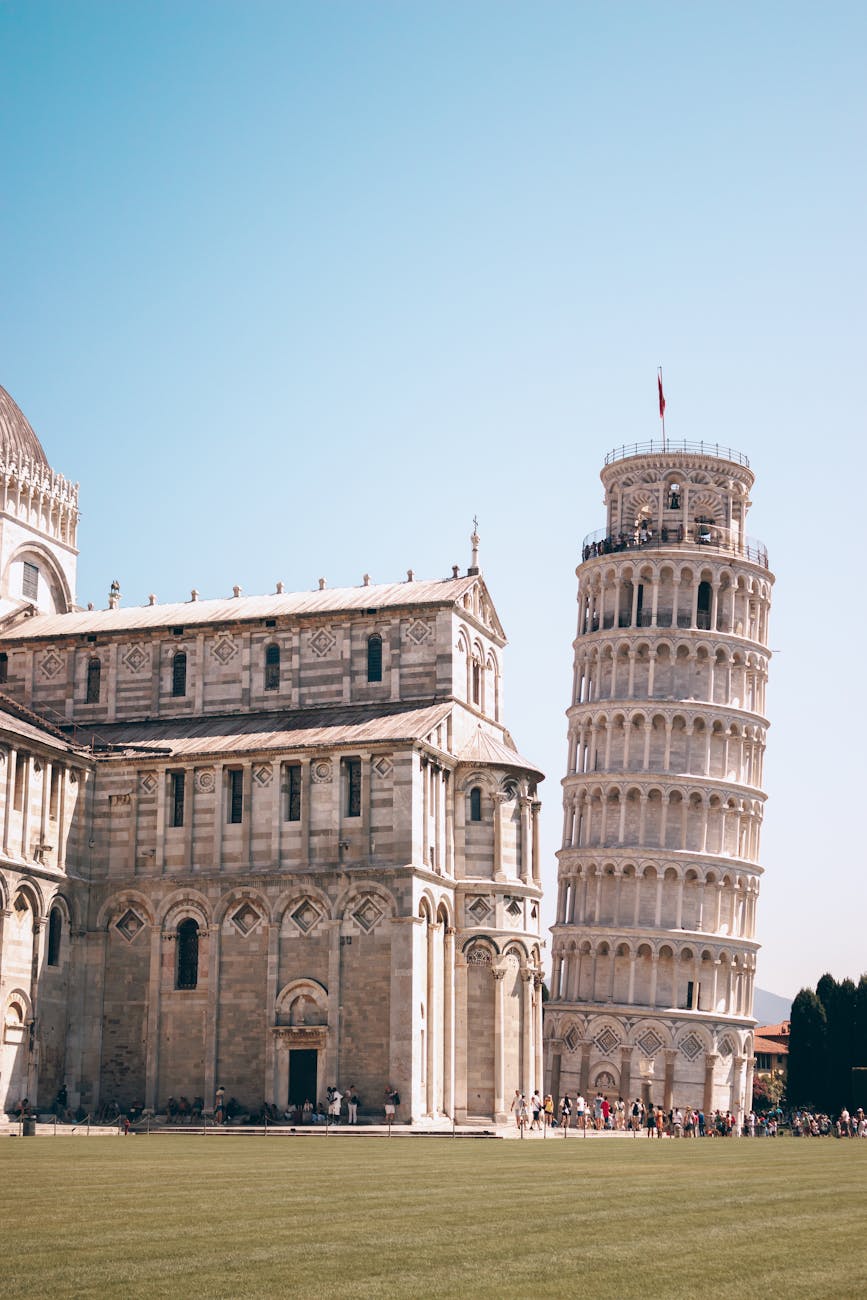
Use in Modern Design: Again, the use of columns can achieve this period’s style. Gold leaf artwork or details on furniture, as well as the use of primary colors in a more minimalist space.
Gothic:
Summary: A commonly referenced (and often misquoted) period, the Gothic period actually incorporated a lot more color than some might think. Jewel tones were combined with upholstery and dark wood elements to establish a darker and moody feel. Ornate, substantial furniture dominated, and saw the emergence of some new designs like the buffet table and dresser. Stained glass was prominent, with chandeliers and candle holders on the walls adding supplementary lighting.
Example: One of my personal favorite examples from this period is St. Mark’s Basilica in Italy. The country has a ton of great examples throughout, but the detailed exterior as well as the breathtaking interior of this one leave a lasting impact.
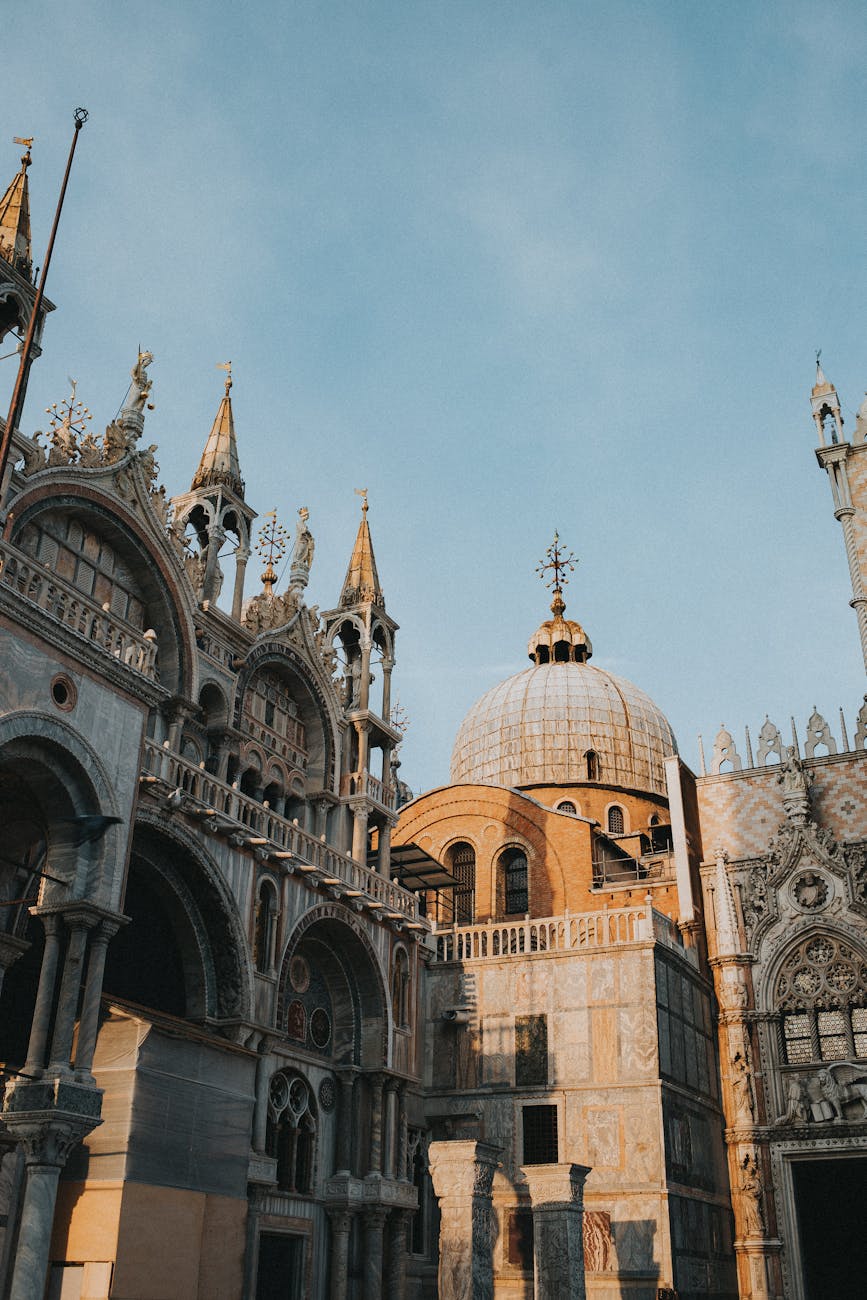
Use in Modern Design: Dark is obviously a huge factor, so darker-toned fabric, darker-toned wood, and detailed ornamentation are key. Stained glass can really add beauty and much-needed light to the space as well.
Renaissance:
Summary: This period saw more individuality, and is generally considered to be one of the more important and prominent periods of art. Domes, anatomically accurate sculptures and artworks, columns and pilasters, and overall symmetry were common focuses. More rich materials like marble and terracotta were featured, and frescos were hand-painted on the insides of walls and domes. Chiaroscuro, an extremely important technique in artwork, also emerged as light and shadows were paid close attention to.
Example: Done by one of the most influential architects of the Renaissance period, Duomo of Santa Maria del Fiore is a gorgeous representation of the artful nature of this period.

Use in Modern Design: The obvious answer would be some classic Renaissance painting prints for your walls. The less obvious answer is some dome-like features if you like structural elements or perhaps a marble countertop and some cabinets with pilaster elements in a kitchen.
Baroque:
Summary: An elevation in the opulence of the previous period, with formality at the forefront of design. Symmetry was often used to achieve this, as it naturally lends to a more formal setting. Even though some elements remained from the period before, this was a sort of rejection of the individualist nature of the Renaissance. Curved lines, detailed elements, and dramatic domes were used to create the stately spaces, and the stucco and sculptures added to the heavy ornamentation.
Example: St. Paul’s Cathedral in London is a wonderful (and famous) example of the Baroque period. It has the stately, formal nature that is characteristic, but it also shows the beauty that can still live in that environment.
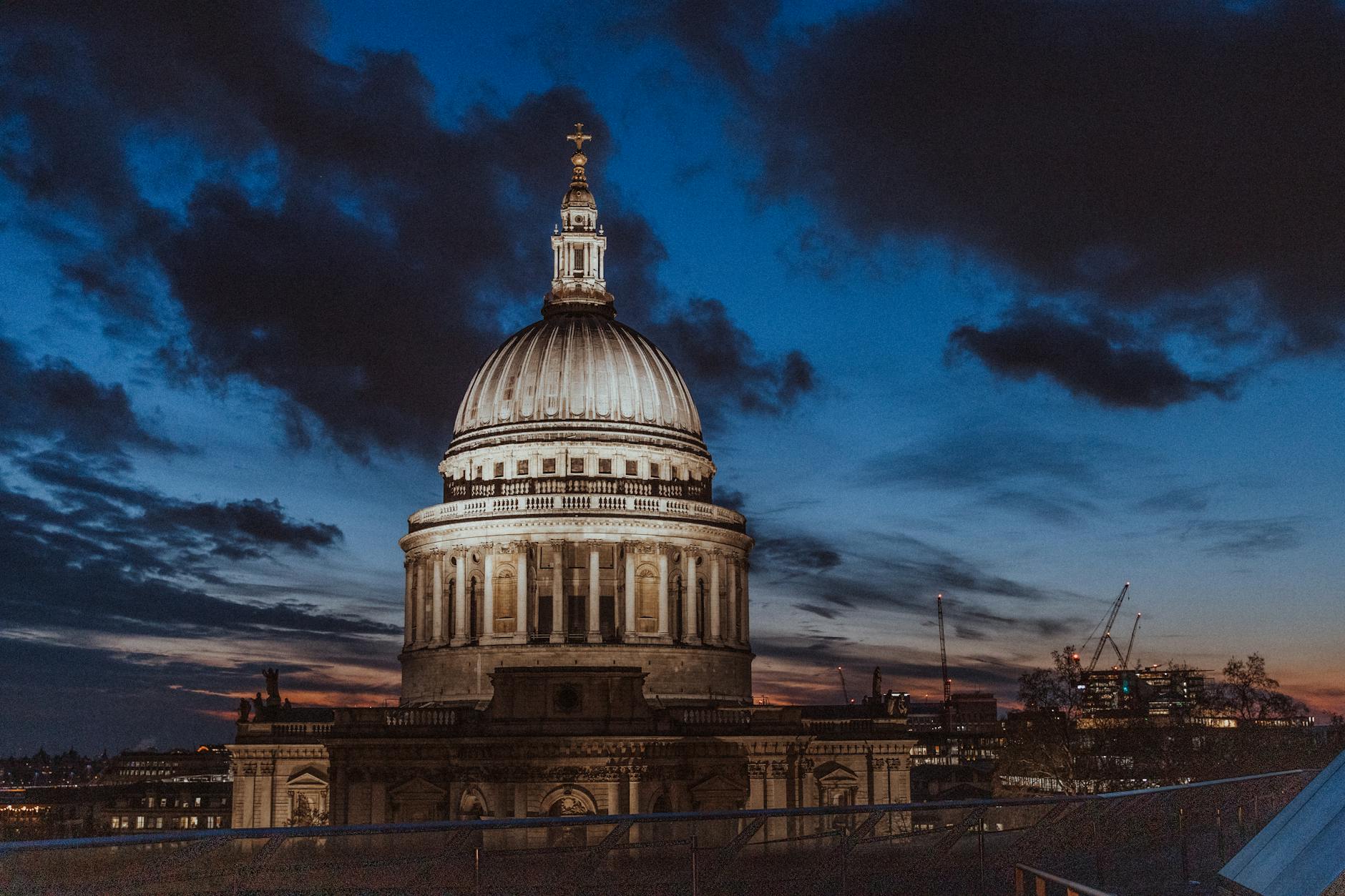
Use in Modern Design: Baroque period inspiration is perfect for a formal dining room or living room. Using either radial or lateral symmetry in your layout will easily help to achieve this effect.
Rococo:
Summary: Yet another rejection of the previous period, Rococo sought to leave the stiff formality and dark color schemes of the Baroque period. Lighter colors such as pastel greens and oranges were used on walls as well as upholstery, furniture was slimmer while maintaining detail, and ornate moldings as well as columns made up this style. The whimsical and extravagant design was for the wealthy, and the gold leaf and light fixtures showed it.
Example: The St. Catherine Palace in Russia is a beautiful example of this style, and can be toured. The property truly demonstrates the wealth behind this period, as it is a huge space.
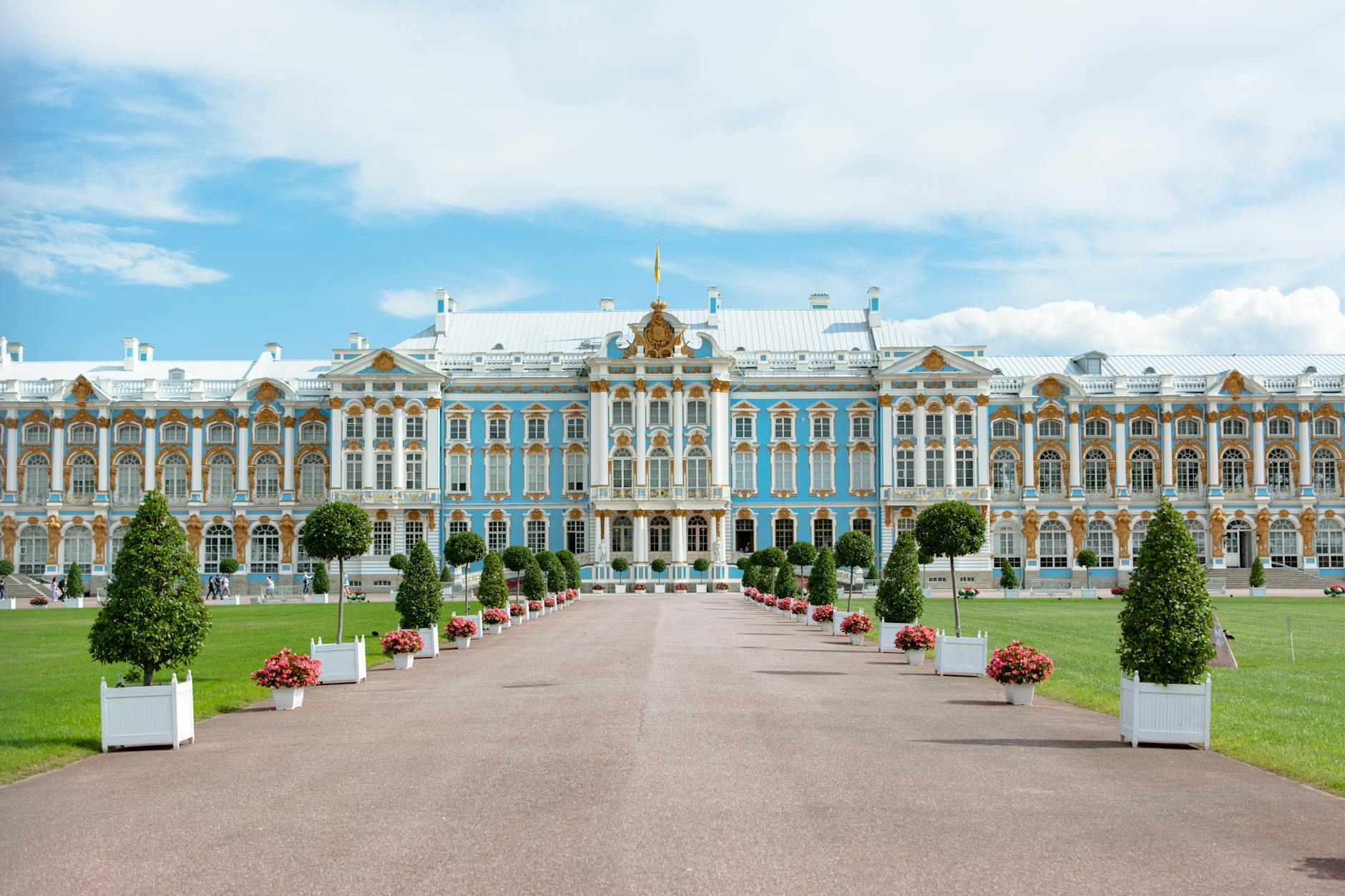
Use in Modern Design: Despite its “rejection” of the formality of the Baroque period, a semi-formal living or dining room could be a great place to use this design style. While the artwork can be a factor, the use of a more lofty layout with pastel and fun colors can achieve this whimsically opulent period.
Neoclassical:
Summary: Often associated with logic and enlightenment, the Neoclassical period once again rejected the period it followed, claiming it was disgustingly opulent and a gross overstatement of wealth. The artwork of the time was accurate, and the designs were more simplified. Symmetry, columns, and geometry made up the structural designs, while furniture design nodded to the previous Roman and Greek styles.
Example: Perhaps rather aptly, the Capital Building is a great example of the Neoclassical period. A rather simple footprint, the outside of this building speaks to the understated, logical feel of this time.

Use in Modern Design: Often used in banks and other places of business, there is still a way to incorporate it in the home. With so many more work-from-home options out there, a home office is a great place to design with simplicity and logic in mind. A nice, wooden desk with a symmetrical bookcase behind it would work to create a Neoclassical office.
Gothic Revival:
Summary: Gothic Revival is the first “revival” recognized as its own period. All of the features, for the most part, from the Gothic period make a reappearance, but we also see some new elements like points of the arches, asymmetry, and even more ornamentation. Details both on the exterior and on the interior of structures really make this period stand out as one of the more beautiful eras.
Example: A very famous cathedral, Sagrada Familia is considered one of the pinnacles of the Gothic Revival era, and it was designed by one of the most prolific architects to date, Gaudi.
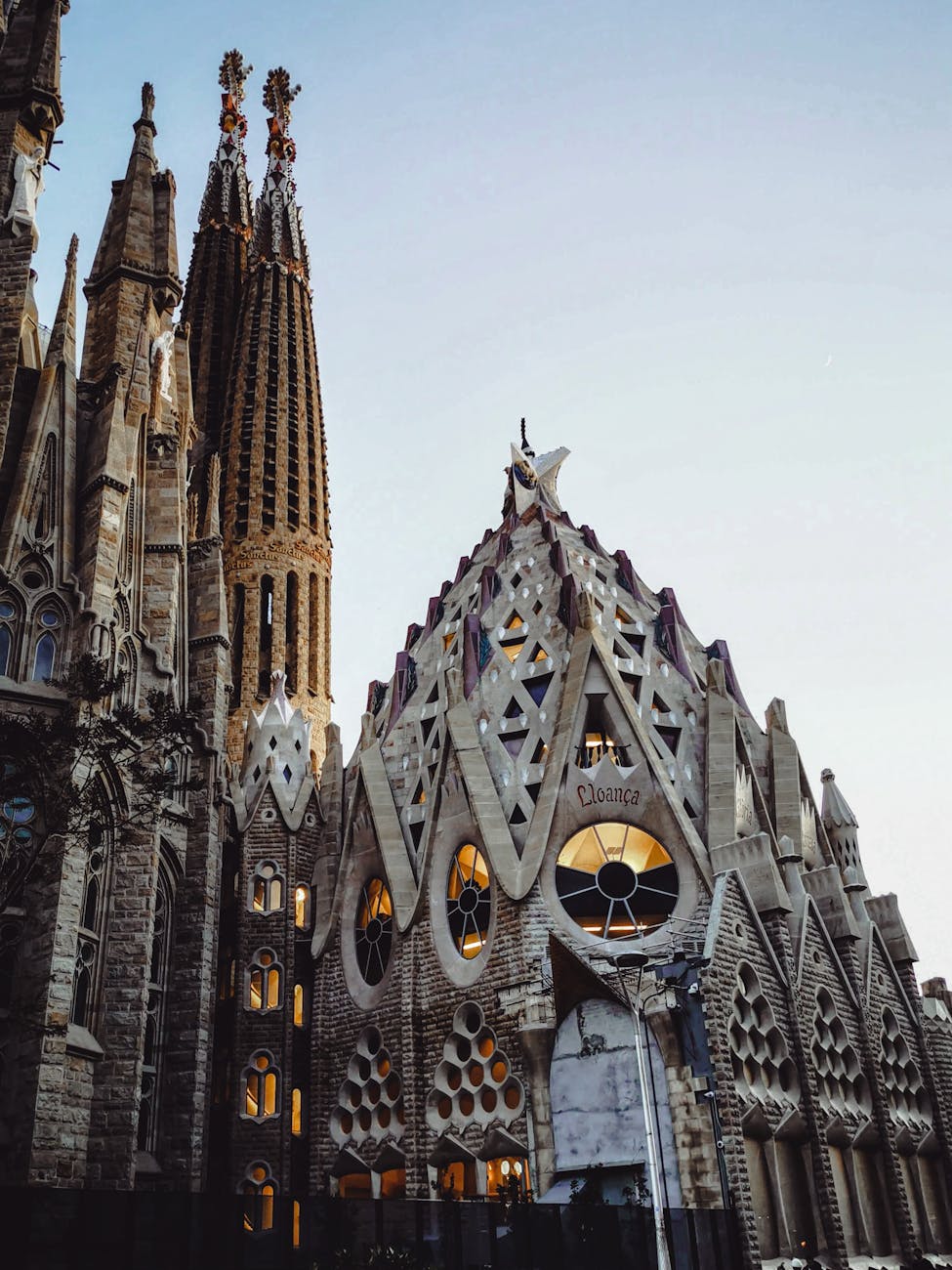
Use in Modern Design: Very commonly used in architecture rather than interior design, there are still some options you have for incorporating it into your space in a more affordable way. For an interesting addition to your bedroom, you can consider an extremely ornate headboard and wardrobe, with custom artwork/frames/mirrors in the shape of a pointed arch.
Arts and Crafts:
Summary: This was a huge pivot from the previous period, as with most of the others, although it was more cultural than some. In an age of increasing manufactured goods, the artisans of the time emphasized the importance of handcrafted goods. This cultural revolution resulted in wooden furniture, tiles, pottery, textiles, and stained glass, which were all made by hand. Open floor plans also became very popular as flow was considered an important part of the interior design of a home.
Example: While this is not a widely discussed or referenced movement, there are still some great examples in the world to draw inspiration from. The Red House is a perfect one in England.
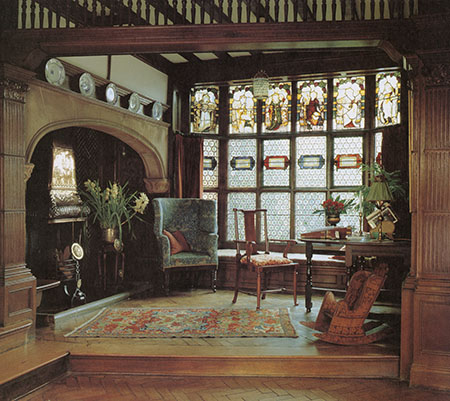
Use in Modern Design: This one is rather easy to implement depending on the bones of the home you have. Handcrafted goods, whether wooden furniture or tiles or even just decor, will allow you to join this movement, and it’s even better if you avoid mass-manufactured goods. Thrifting is an awesome way to incorporate incredible quality wooden pieces for a more affordable price.
Modernism:
Summary: As we approach modern times, some of these periods will seem a lot closer and more familiar. Modernism has its own sub-categories like Art Nouveau and Bauhaus, but they all tend to have a lot in common for the most part. Simplicity was king, and the form of a piece was just as important as its function for this period. Minimalism was taken to new levels, as anything without function was removed from a space. Also, the space was catered more toward the individual than in previous times.
Example: Many examples of Modernism exist in our everyday lives. If you are near a city, chances are there is a building in this style there, For example, in Philadelphia, Richards Medical Research Laboratories is perfect example of Modernist architecture. The simple design and functional focus of the period lends to medical, financial, and efficiency-dependent uses.
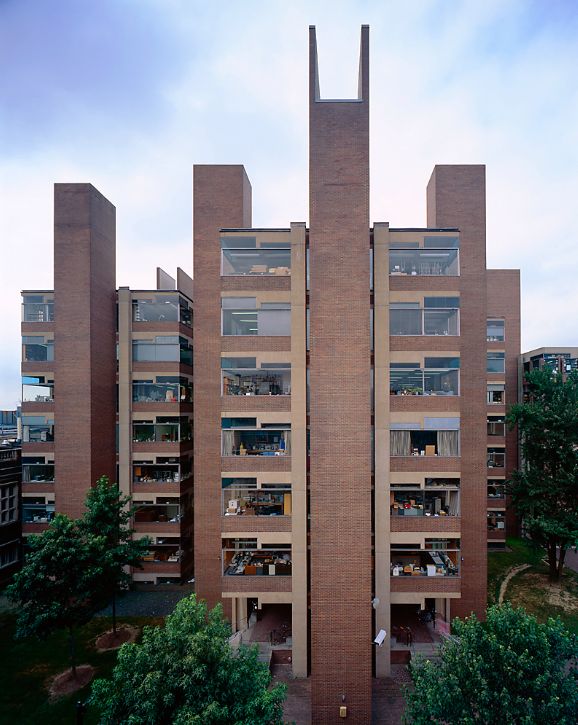
Use in Modern Design: Modernism is still very common in homes, especially higher-end new constructions in a lot of areas. If the structure is already existing, focusing on eliminating unnecessary items and ensuring seamless interaction with the space is key to achieving this style.
Art Deco:
Summary: Another time period that is commonly seen in cityscapes, Art Deco is a return to some flashy elements without going over the top. Bold geometric shapes often in metals, curves, sleek lines, and patterned upholstery add a sense of regality and importance to a space while still remaining fun.
Example: Market Street National Bank is another local example from this period. The detailing on the outside of the building is clearly within the period, with the inside reflecting a similar level of detail.
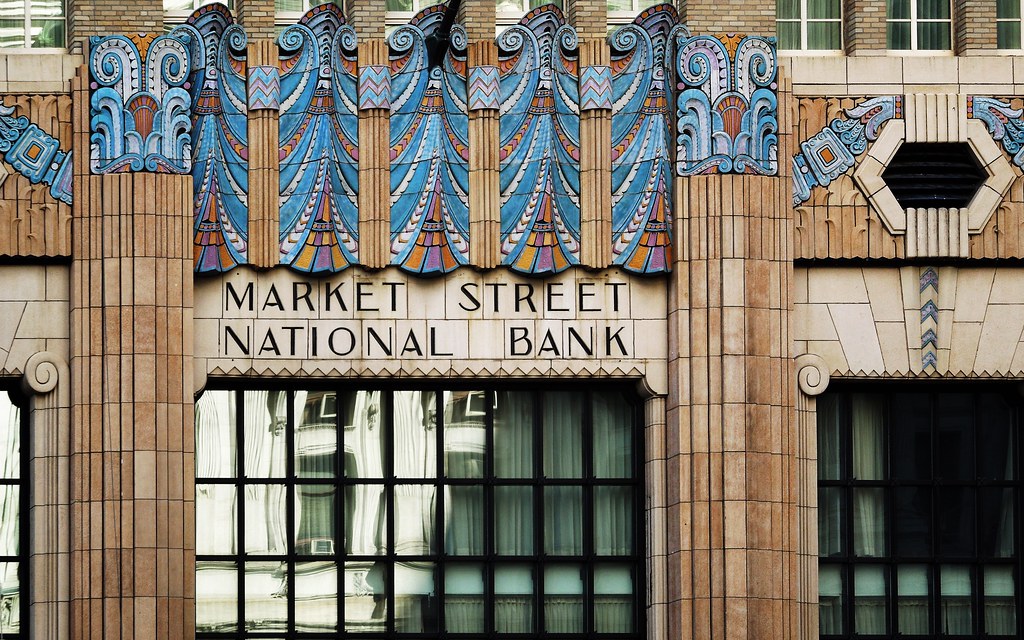
Use in Modern Design: A chevron print on an accent chair, a velvet couch in a luxe color, or a golden light fixture are sure to give your space an Art Deco flair.
Mid-Century Modern:
Summary: Perhaps one of the most recognizable periods of all time, Mid-Century Modern is one of the most whimsical of the group. It does have some sub-categories, but this summary is more about the late 30s to early 60s. With funky patterns, wallpaper, colorful decor, and geometric lighting, there is no shortage of customization. Designers combined elements from past periods and mixed them with current trends and interests, and creativity blossomed. We also got some of the most iconic furniture designs of all time, such as the Tulip table and Eames chair. Since this was a time of economic and societal growth, new materials were introduced and used.
Example: As mentioned before, some of the best representations of this era are within the furniture itself rather than the space it is in. The Eames chair and footrest is perhaps one of the most iconic pieces of all time, and is often considered a cornerstone for a Mid-Century space.
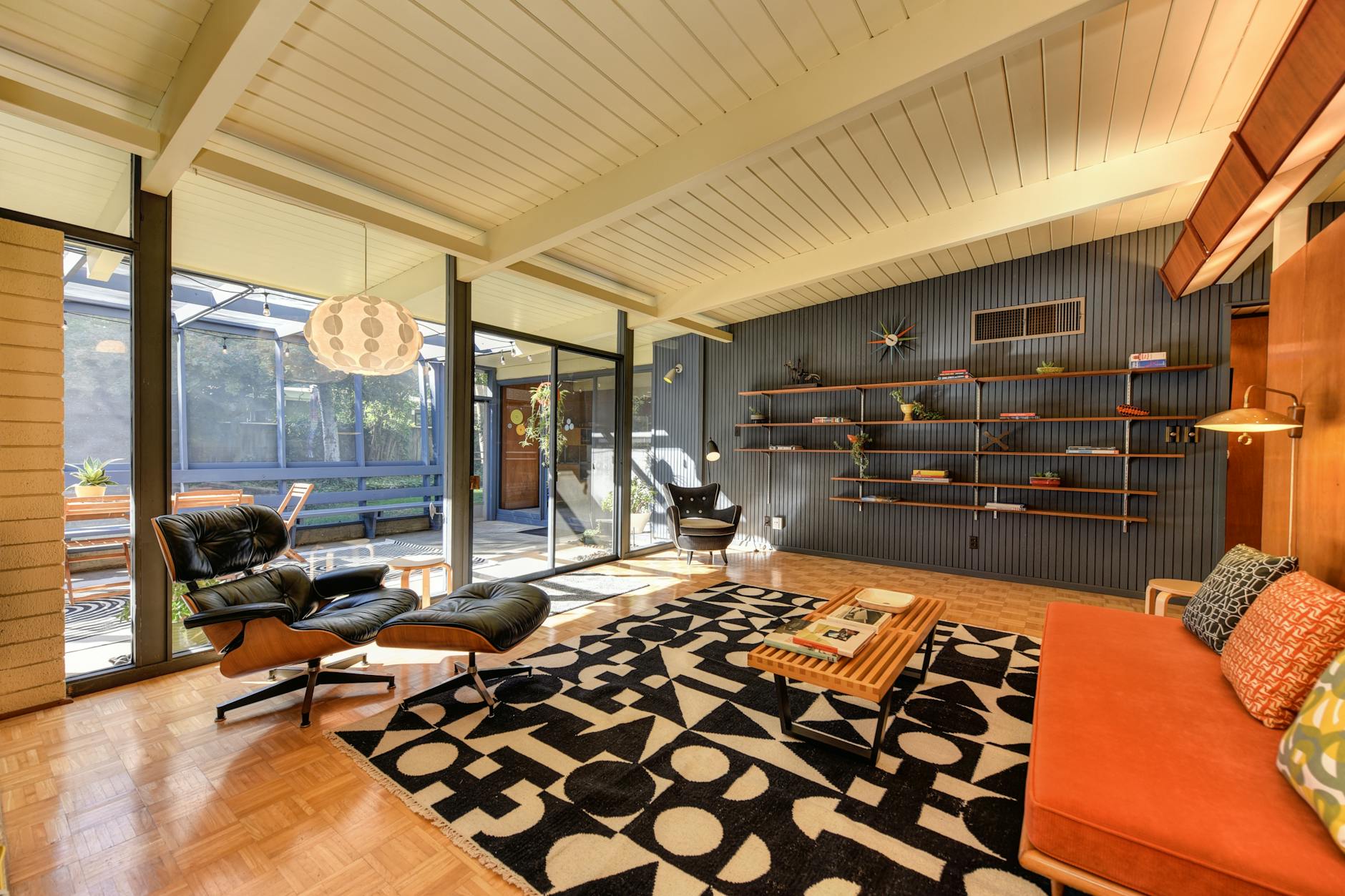
Use in Modern Design: It is not difficult to find furniture from this era, whether you search for it at your local thrift or source it from a furniture store/collector that specializes in the time period. Fun wallpaper and sunburst designs are also a great way to incorporate the style into your home.
Present Day (21st Century):
Summary: Today, we see nods to all the periods before us through the never-ending cycle of trends. There is a focus on sustainability as well as mixing styles together, so each space is truly individualized. The term “contemporary” is thrown around very frequently, and I think it is one of the most misused and misunderstood terms. What it truly means is “on trend” or “in style right now”, so it is one of the only descriptors we have in the industry that is fluid when discussing style.
Example: As of writing this post, an example of contemporary design is color drenching. This is the concept of having a monochromatic palette within a space, and the real variation is more with texture and sheen rather than color. Some accents can be added for a dramatic effect, but the walls, ceiling, and larger furniture are often the same color.
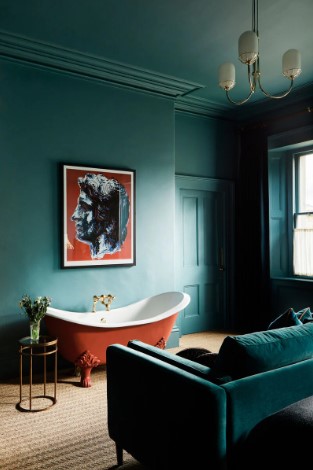
Use in Modern Design: Choosing a color you love, you can paint the entire room that color and incorporate textiles with a fun feel to create variation. Adding a rug, artwork, vase, or wooden piece of furniture as a surprise change will add some visual interest.
I know that might seem like a lot, but there are actually even more subcategories depending on which area of the world you look at! If you guys want to hear about another period (or even one of these) in more detail, let me know in the comments. You all are lucky… I had to pay thousands for this information to be all in one spot, and I did it for free!!! Use this guide wisely 😉

Leave a comment