With everything getting more expensive, the housing market is becoming increasingly competitive, and the population living longer lives overall, the idea of “aging in place” is becoming much more appealing. Instead of downsizing, moving to a home that’s already fitted with the necessary equipment, or looking into assisted living facilities, a lot of older folks are seeking alternatives. BUT… what does aging in place really mean, what does it look like in a space, and how can spaces be transformed into an elder-friendly home? Let’s take a look 🙂
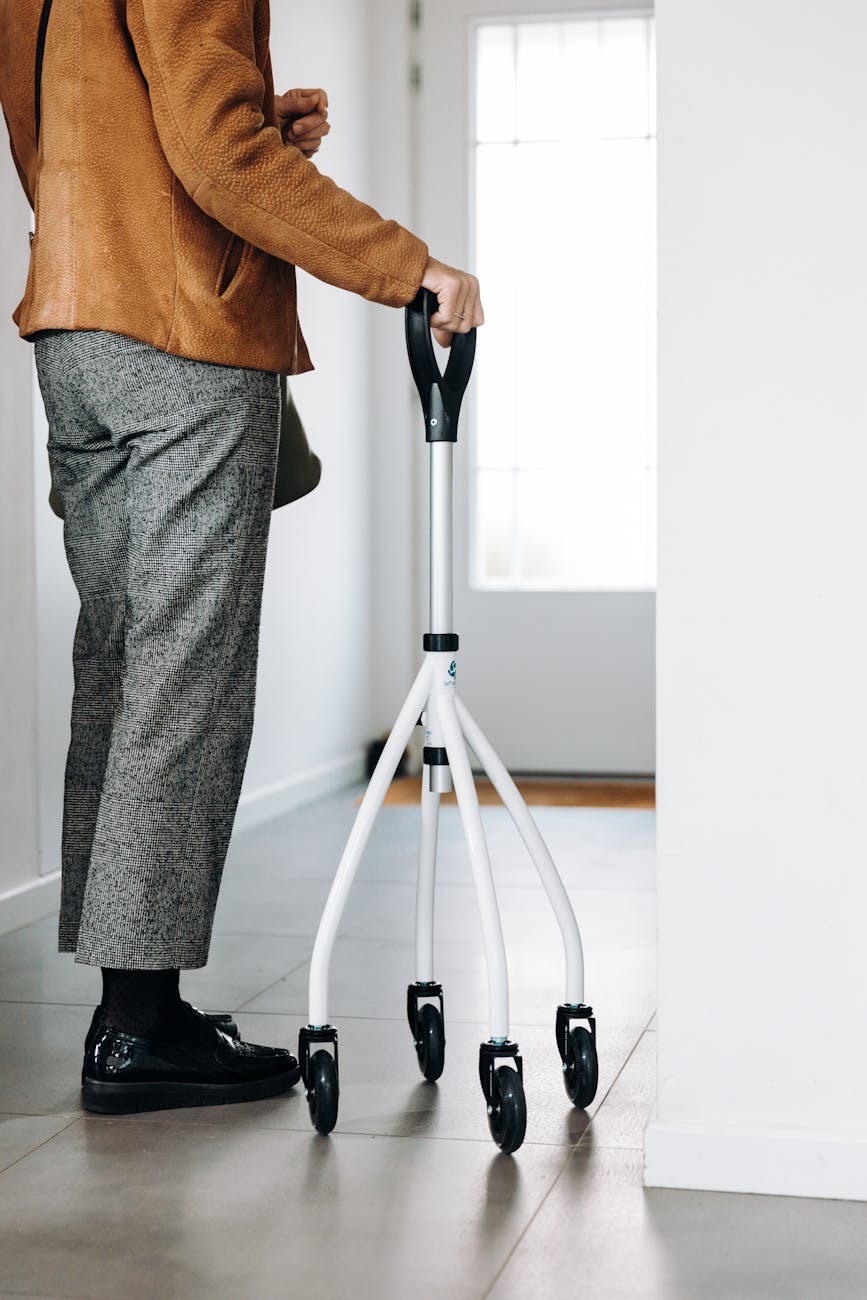
What it means:
The phrase “aging in place” generally means that, rather than relocating to another home or an assisted-living facility, one remains in their home and makes necessary modifications to ensure safety and comfort. Many people have sentimental attachments to their homes, have family that lives with them, or do not necessarily need the care of an assisted-living facility. Because of this, there are many different circumstances where adapting the current home makes more sense than any other option. Luckily, interior designers like me and many others are educated in this area and can help those who choose to age in place create a home that is accessible for them while still looking nice! Let’s take a little look into some ways we might achieve this…
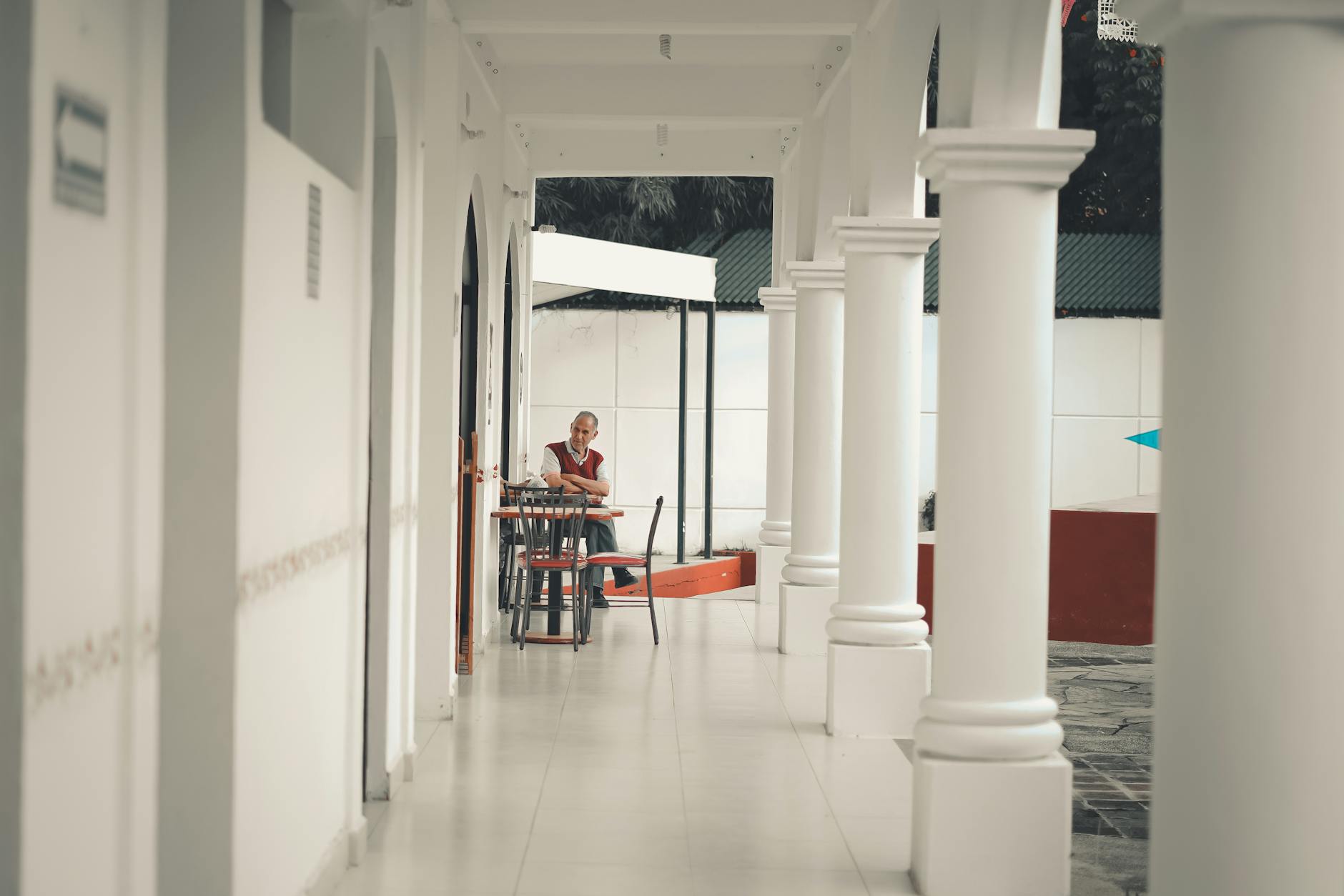
What it looks like and how to utilize it:
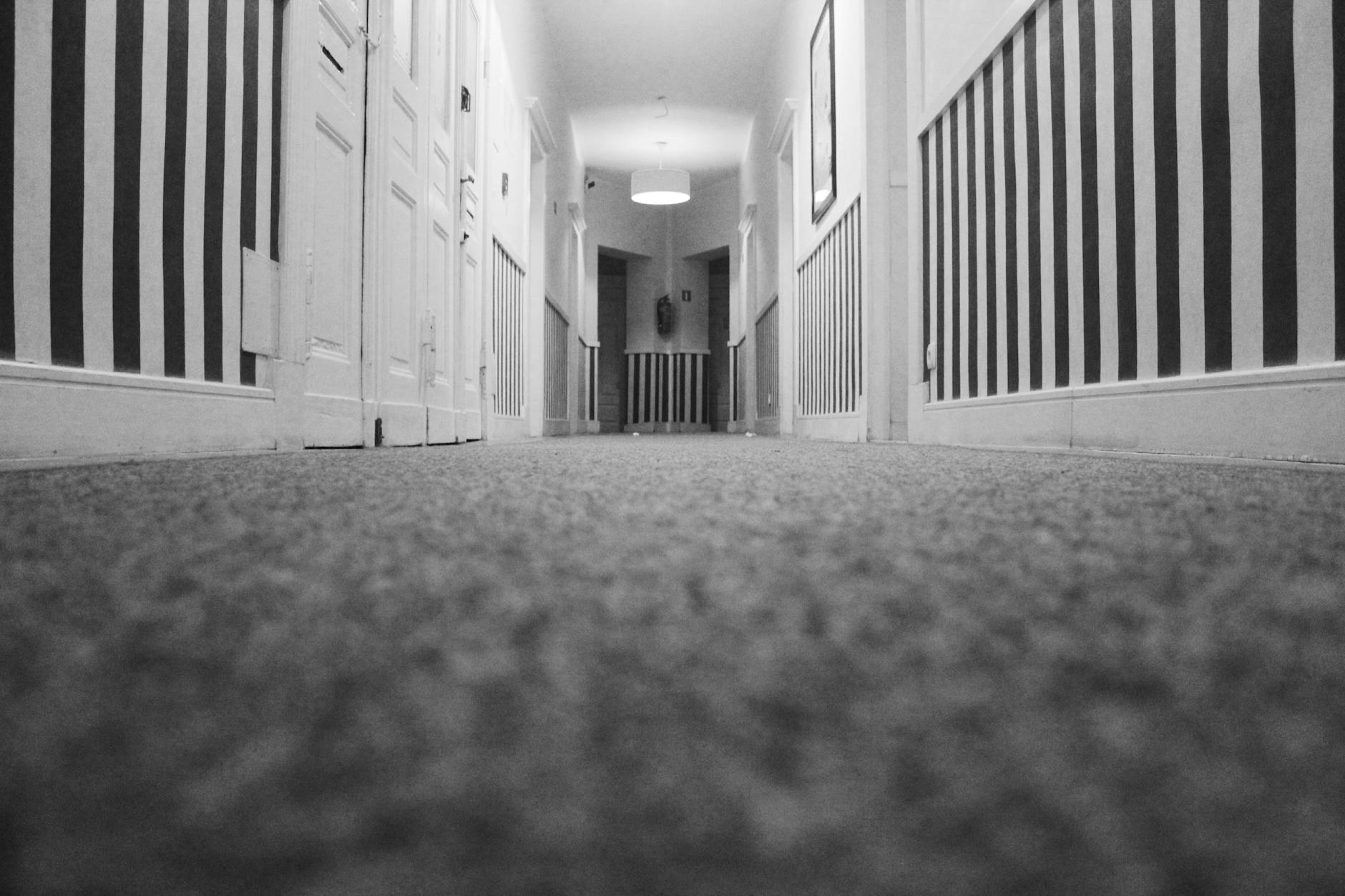
Flooring: A section of design that is often overlooked for aging in place, flooring is actually extremely important. There are two main aspects that are important to think about with flooring: friction and obstacles. We want want to make sure that the floors are not too slippery, as this can be a major safety hazard for those who are prone to falling, wearing socks frequently, or are just not as tactile as they used to be. When you pick a flooring material that has some good grip to it, those aging in place will have more stability when standing, walking, or using walking devices throughout the space. Speaking of walking devices, things like walkers, canes, or wheelchairs also need to be considered when choosing floor coverings. In addition to the possibility of tripping, area rugs and thresholds must be low-profile and firmly on the floor. If a rug pile is too high, or a threshold is too dramatic, it can be a tripping hazard or make accessibility devices harder to function. Using low-pile rugs with gripping rug mats in the perfect combination if an area rug is necessary, but it is also important to consider if carpet is maybe a better option, as there is no risk of it curling up at the edges.
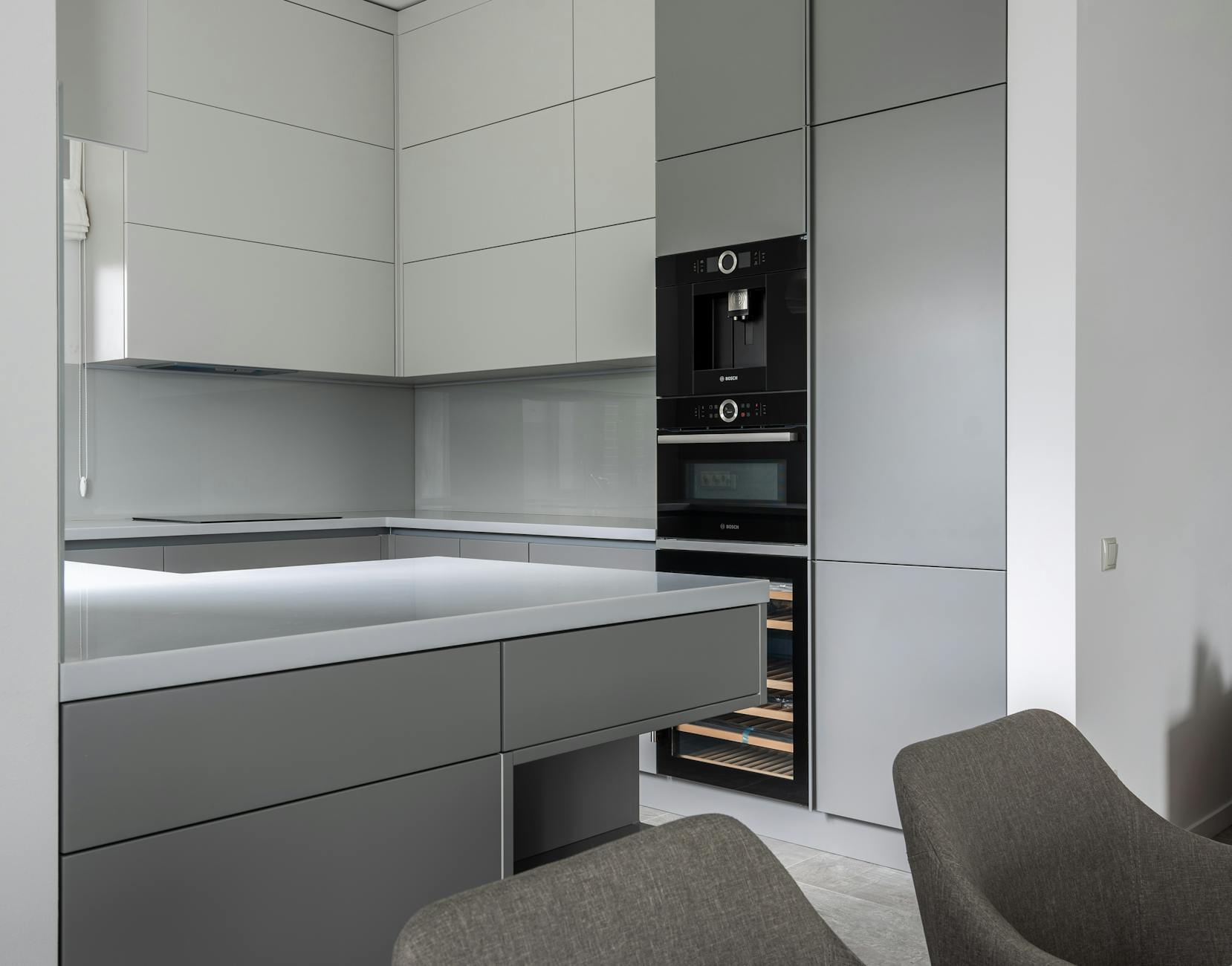
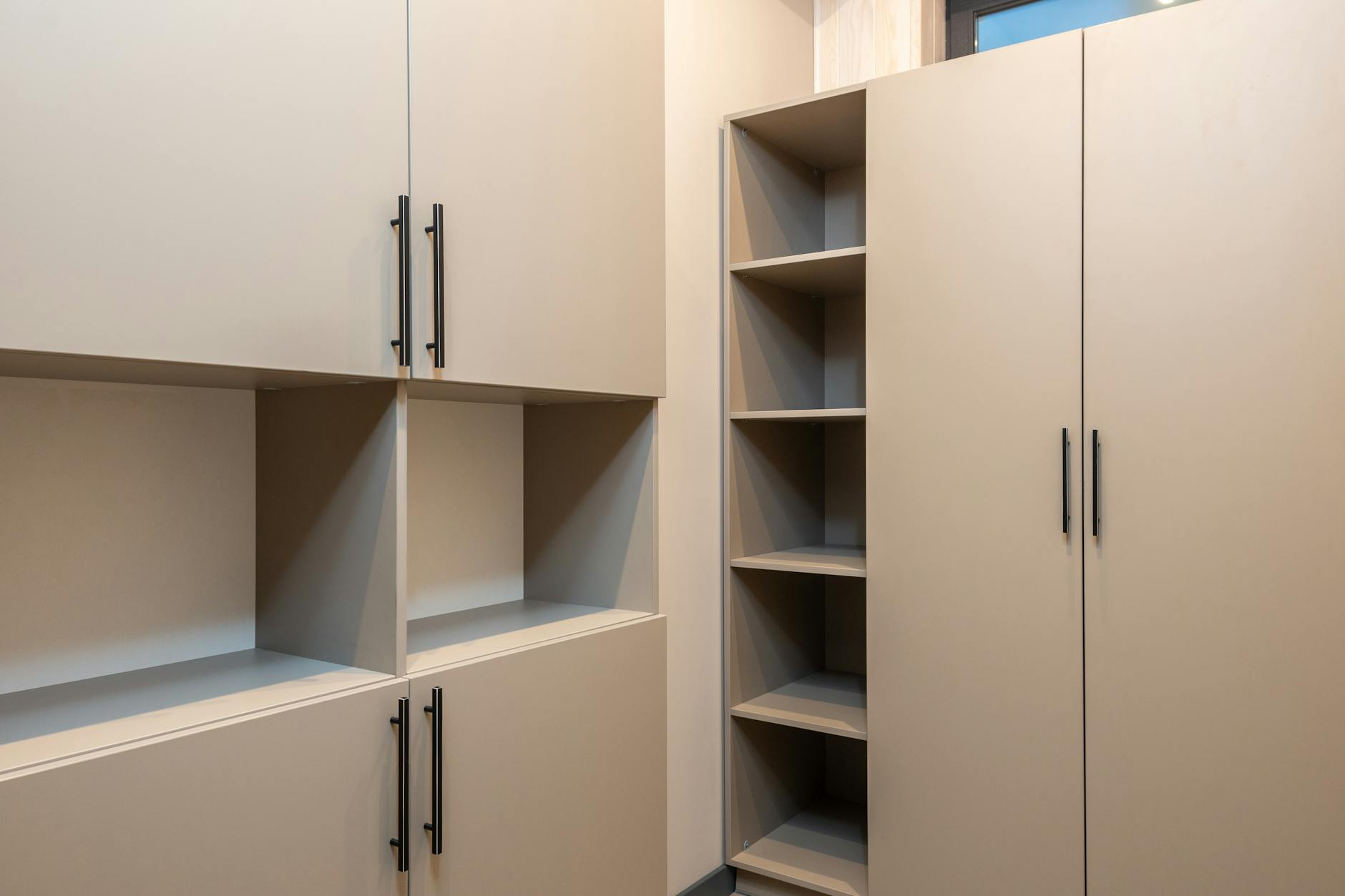
Cabinetry: Another spot that is often skipped but can be extremely important, cabinetry can be custom-made for your aging-in-place needs. Whether traditional cabinets are too high for you or too short, you can customize heights to fit your needs. Additionally, if you require a wheelchair or walker, you can create spaces under prep stations that fit your devices so that you can feel stable and secure while you cook. There are also countless accessibility and convenience features such as pullout shelves, magic corners, and lift-up mixer stands that make the storage in your kitchen a lot more elder-friendly. With these options, you are not tasked with bending over or crouching down for things nearly as much, which makes your kitchen (or other storage areas) a whole lot safer!
Handles: The handles on our doors and furniture may seem like they are universal, but for those who have less function or strength in their hands, this is not always the case. As people get older, there are so many factors that could result in round knobs or hardware that requires a grip to be less accessible. That is why handles that can be used with either an open hand or a fist are our best options for aging in place. That means handles with a downward pull on doors, and for cabinetry, either a cup, a wide bar, or a double-sided knob are the best options.
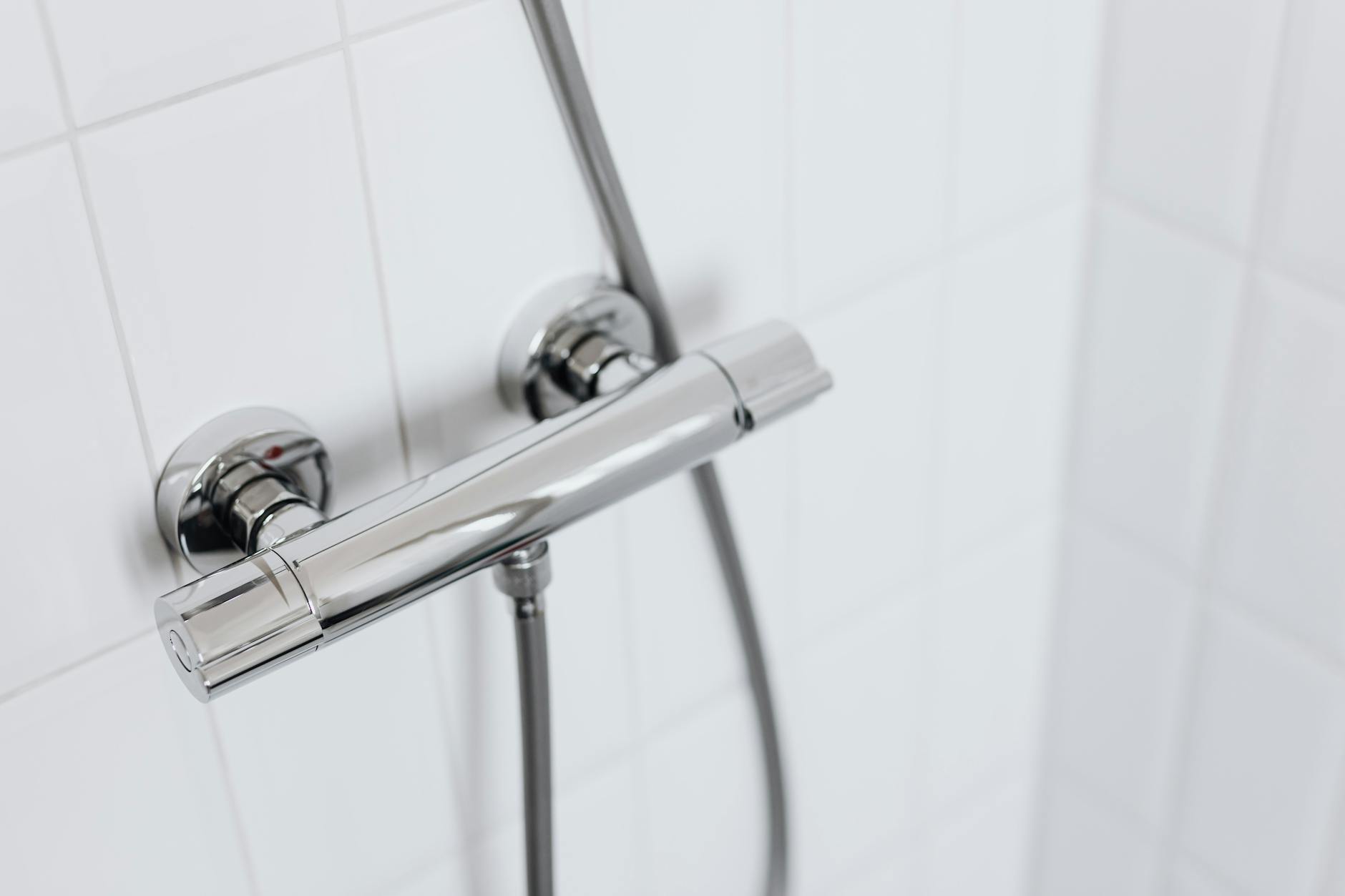
Grab Bars: This is what most people think of when they think about aging in place, and for good reason. These are a total game-changer for bathrooms in particular. This can take a bathroom that would require an older person to get help showering or using the bathroom and transform it into a fully functional space that needs no assistance. Contrary to popular belief, they aren’t always unsightly either! There are an increasing number of sleek, aesthetically pleasing grab bars in a variety of styles and finishes to match whatever space they are being added to. Grab bars are also great in other contexts, like additional armrests that can be grabbed when sitting and standing as well as on any walls that are typically used as support.
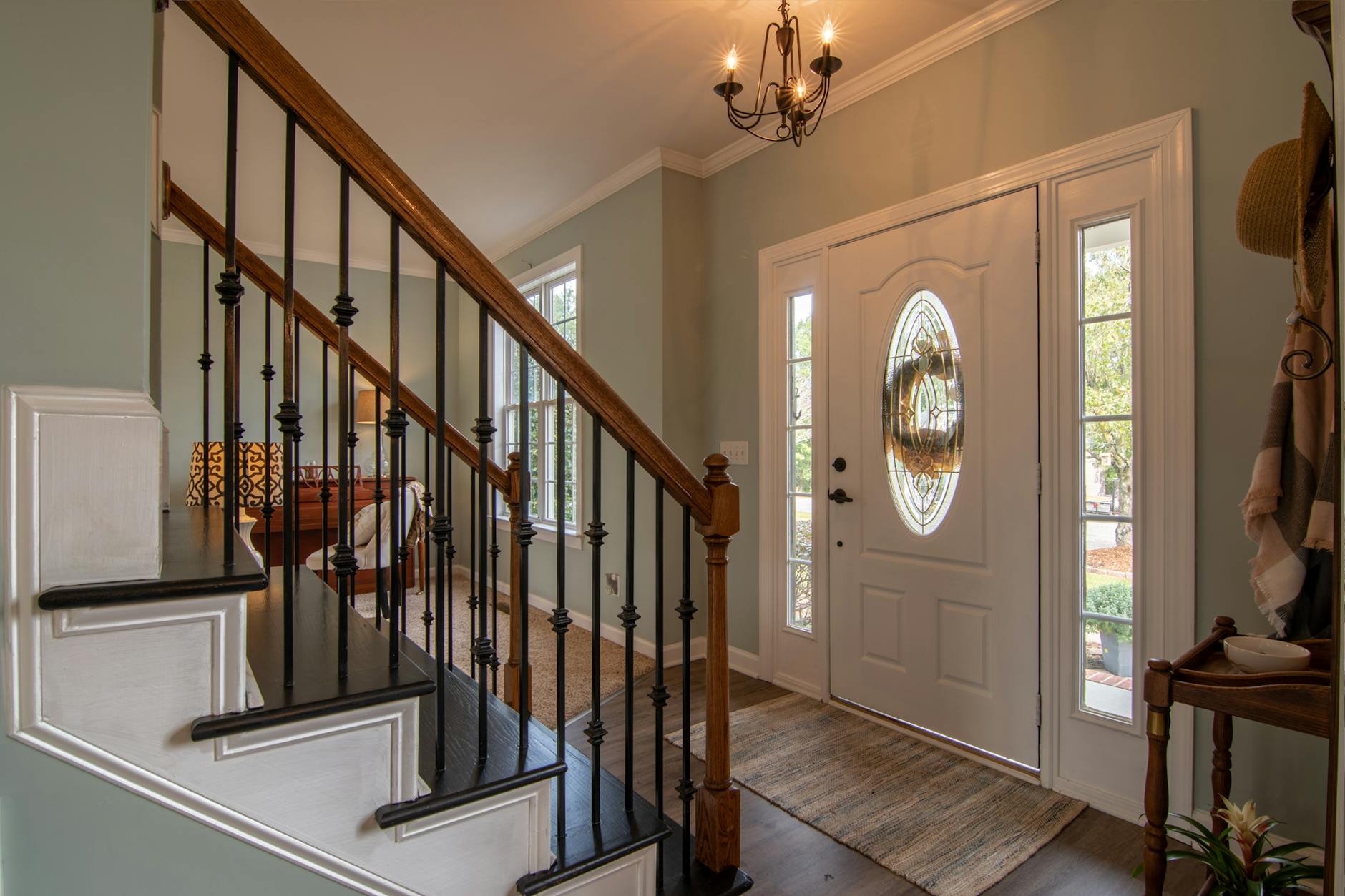
Railings: While these are a good idea for any space, additional or more substantial railings are imperative for aging in place. A lot of staircases may only have a railing on one side, but two railings that are at an adequate height and hand thick enough to provide actual support can be the difference between a safe trip up and down the stairs and a fall. Railings are also great for decks that are outside, lofts, hallways with stairs running next to them, and anywhere that there is an opening that could be much more dangerous for those who are aging.
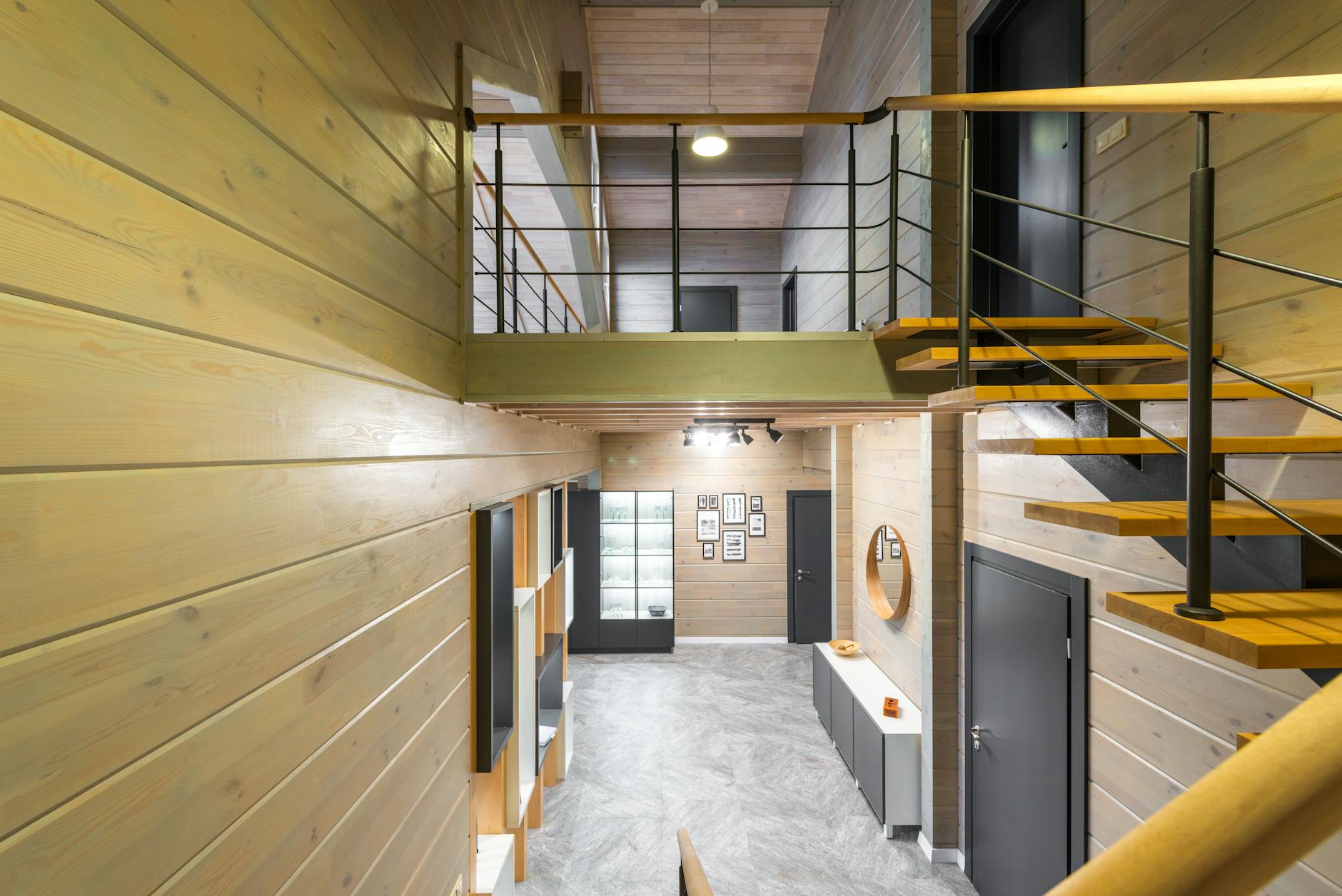
Elevations: Avoiding the use of stairs altogether is also a great idea when it comes to aging in place. If your current home has multiple floors and you intend to stay there to age in place, consider having your upstairs be where guests stay. Having your bedroom, kitchen, living room, and bathroom all on the same floor is the safest and most accessible option as you age – let your younger family go up the stairs if they want to stay over!
Special Cases: Sometimes we have unique circumstances that are not necessarily “standard” in regard to traditional design choices. The awesome part of planning out your space yourself is that you can work around these “special cases” and make YOUR space functional for YOU (pictured below is a no-threshold shower, which many feel is a wonderful option for those aging in place… the handles and toilet in the picture are not the best for aging, though, so keep that in mind). If you are aging in place, you don’t always have to worry about resale value as much. For many people, that is a huge blockade for creativity and customization. Without that barrier, you are free to make your space as niche as you need it to be, and that is the beauty of aging in place!
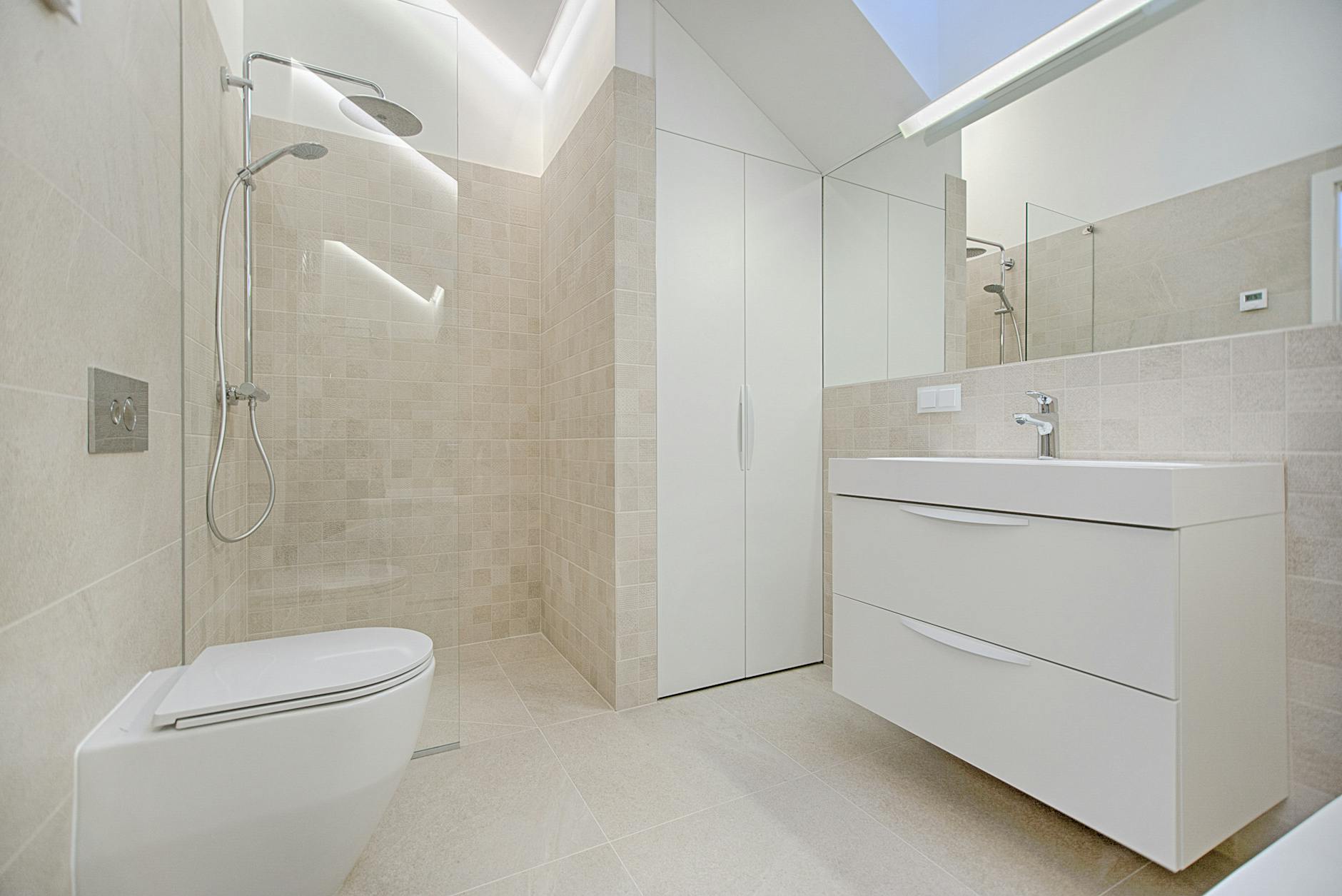
This topic hits really close to home for me, because my mom is starting to think about where and what her “forever home” will be. Part of the reason I wrote this post is so she keeps it in mind when choosing – I wouldn’t want her to struggle as she ages in her home, and I’m sure tons of others feel exactly the same way. Hopefully, this guide will help you and/or your family choose the perfect final destination or remodel your current home into an aging-friendly, safe space. It can be challenging, but it is really important to think about! Let me know if you, or anyone in your family, are aging in place or plan to do so in the future!

Leave a comment