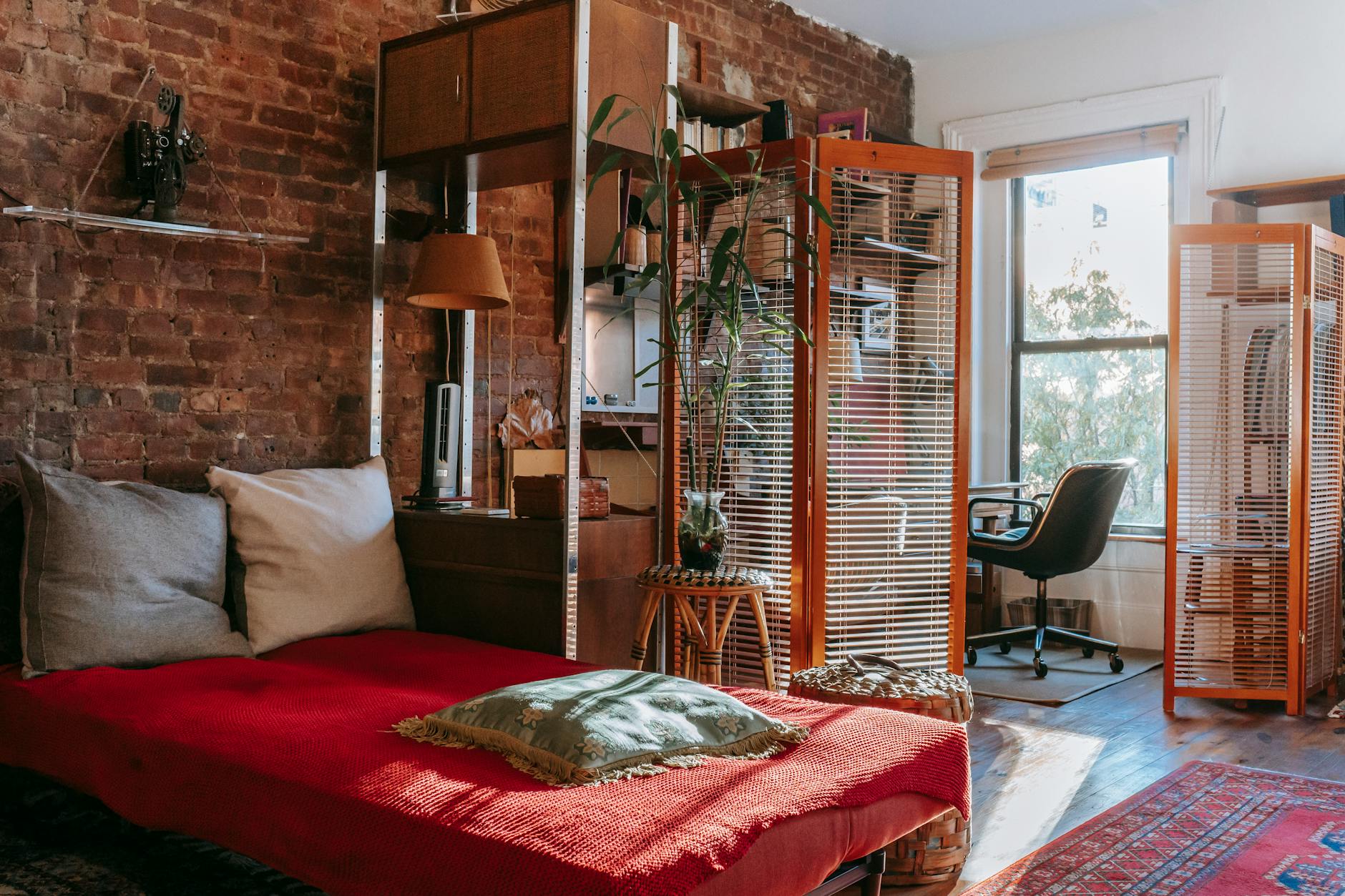
Trends are cyclical. Something that feels outdated will eventually come back into style, and something in style might feel outdated in the near future. One trend taking back the spotlight right now is wood tones — but why is it back? Let’s take a look on the history of wood use in interior design, why it went away, when it’s coming back, who used/uses it, and how to incorporate it into your space 🙂
A brief history of wood use in interior spaces
Wood is one of man’s most precious materials. Between the wide range of uses, its durability, and its unfounded beauty, it is now, and has historically been, a sought-after material. But how far back does it go? Well, let’s find out!
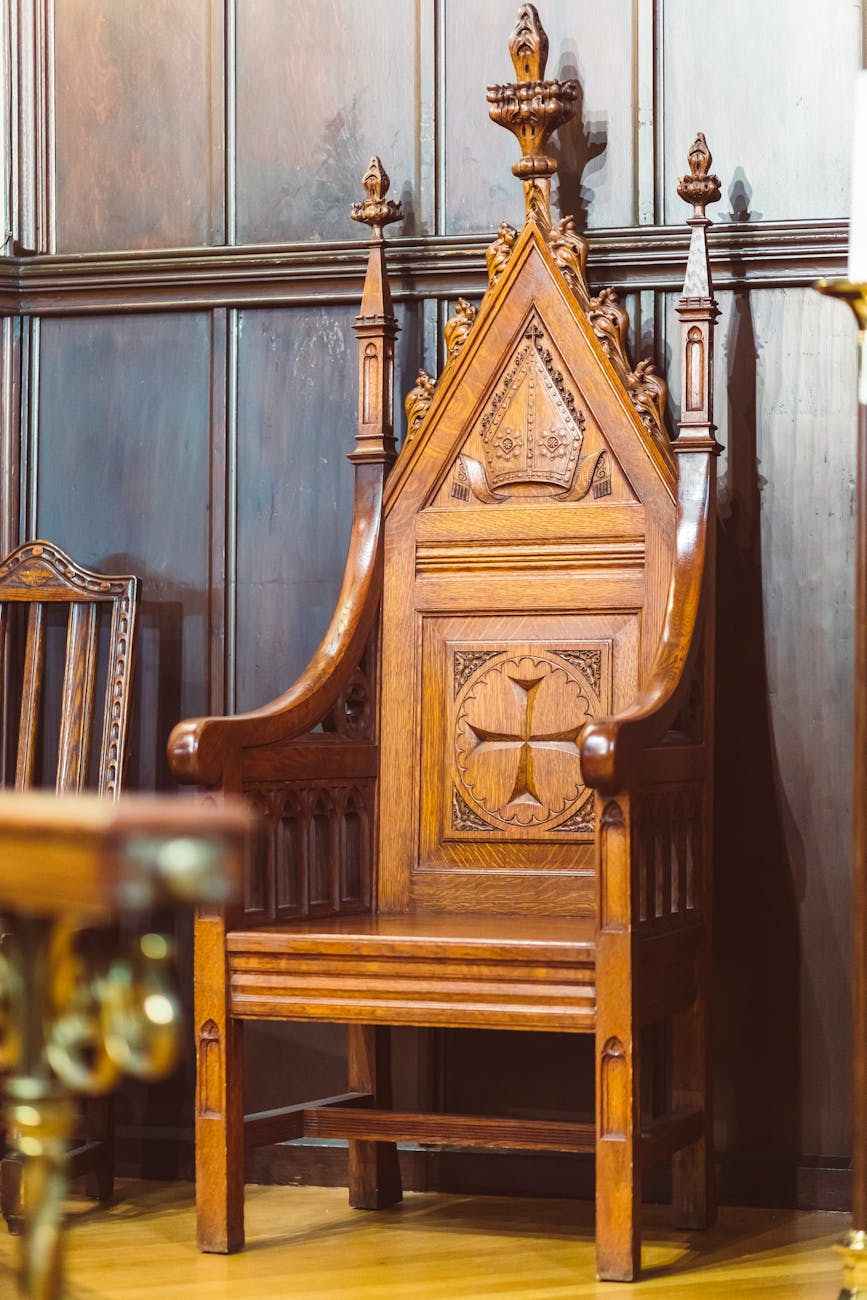
We see examples of wood being used as long as humans have been on the earth. In prehistoric and ancient times, wood was used for furniture, such as chairs and chests, as well as the tools to make these pieces. Long houses and temples in places where wood was easily accessible were constructed with it. In ancient Egypt, we see the first uses of veneers as well!
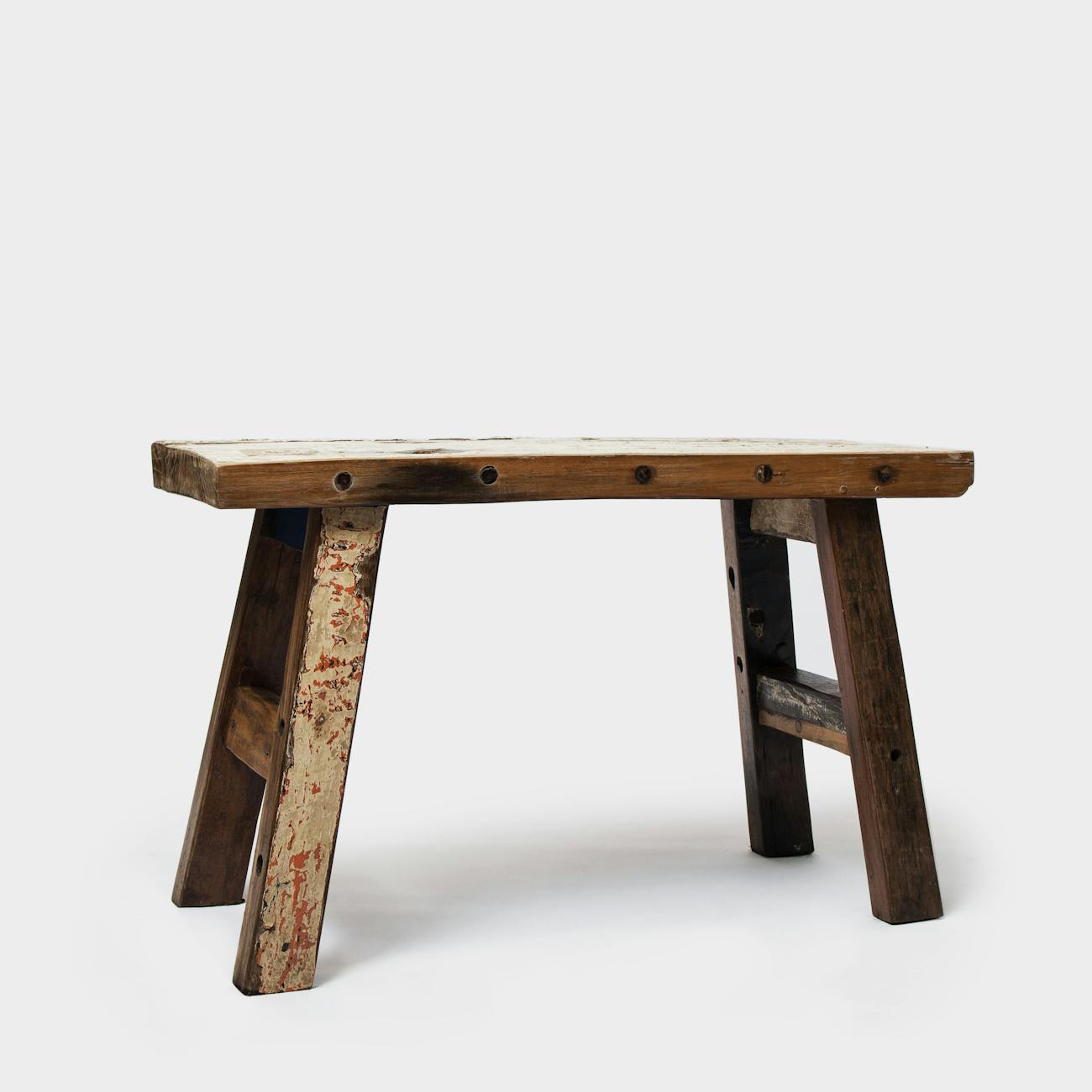
As time moved forward and technology became more developed, more intricate carvings were added to the furniture, as well as gilding, and larger pieces began being constructed, like wardrobes and cupboards. Ornamentation became a focal point of design as artistry and craftsmanship became coveted. As the Gothic period emerged, wood paneling on walls is seen in prominence for the first time as well. During the Renaissance, veneers became highly valued for their flexibility and ease of use when ornamenting furniture, setting the path for their use in luxury settings.
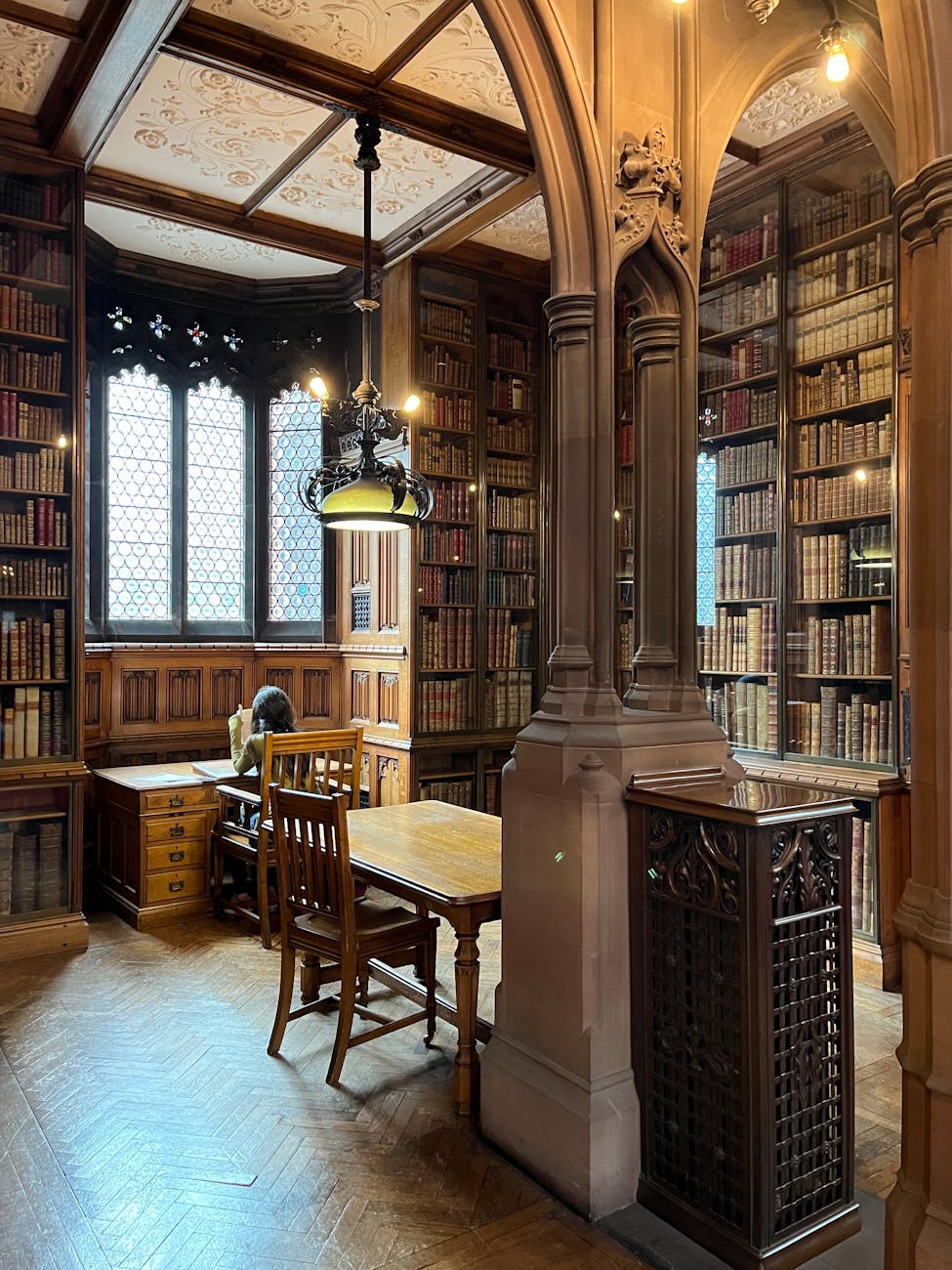
Post-Renaissance, there was a return to simplicity in the carvings and styles of wooden furniture. Around this time, dubbed Colonial Times in America, the United States received its first immigrants from Europe, who brought over their furniture with them. As they settled in their new colonies, they constructed their homes of wood. This evolved into wood paneling on the interiors, and even specific details like wainscot were introduced in America as well. Native Americans used bark and wood for their buildings in a completely different way, so there were two differing uses converging at this time.
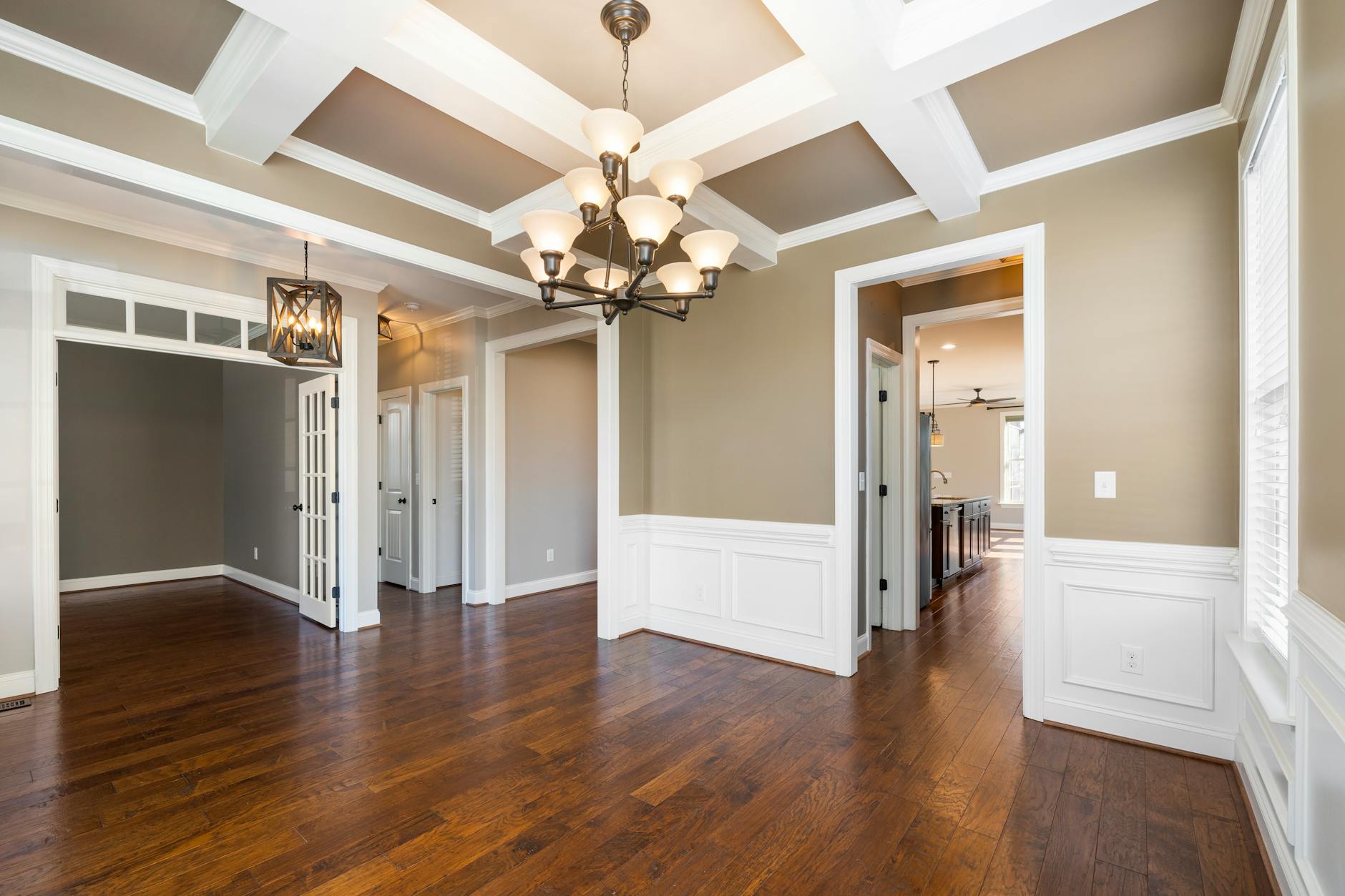
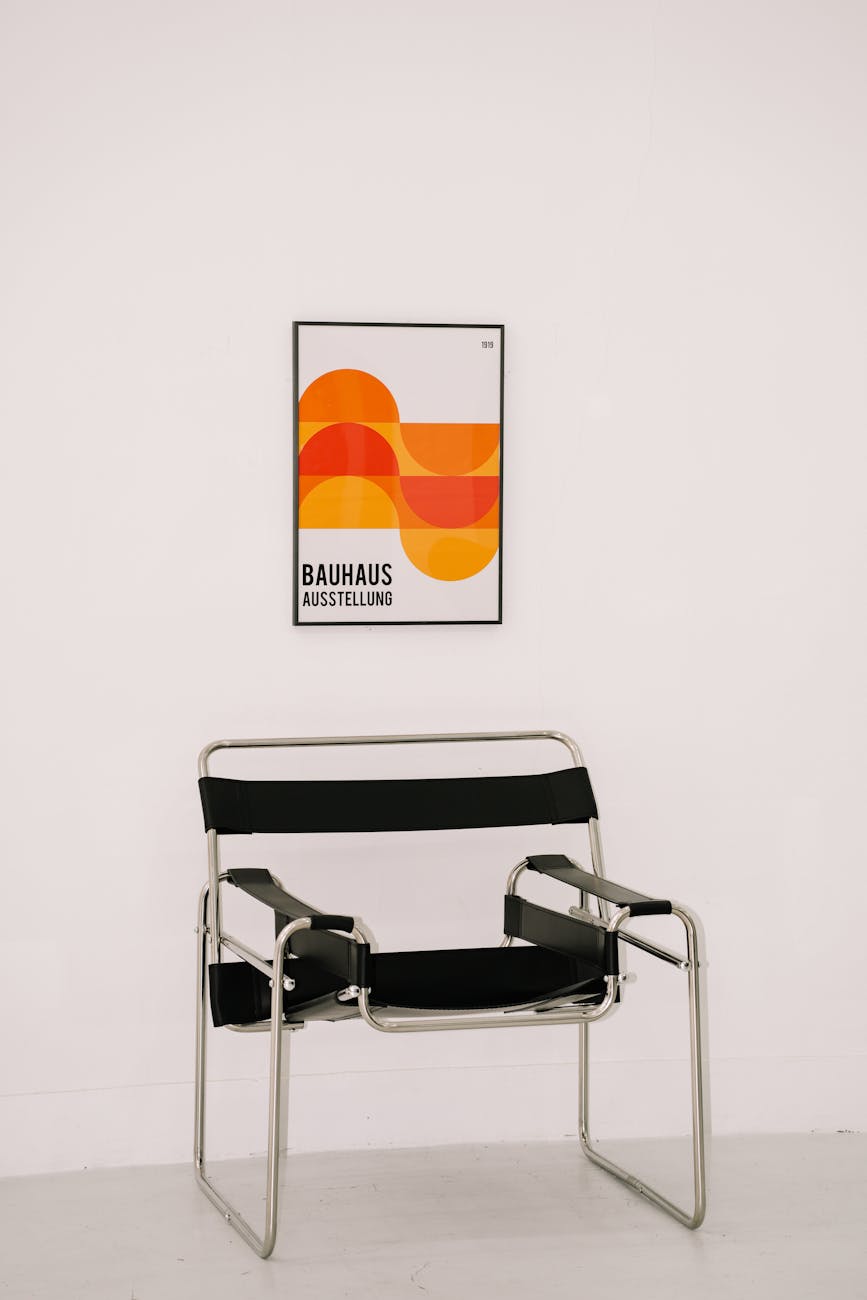
The return of simplicity was short-lived, and ornamentation within the carvings and styles of wooden furniture became preferred once again (a perfect example of a trend cycle!!). As machinery became a more prominent part of the design process, veneers became highly accessible for use and established themselves as a staple in mass-produced furniture. This, too, was short-lived, as we see the emergence of Bauhaus, Art Deco, and eventually modernism, which all valued simpler, sleeker designs in their wooden furniture. Also, wood paneling developed into what most people associate the verbiage with in the 70s, as pre-fab homes became more common.
The different types of wood and how they are used
There are two main categories of wood — hardwood and its lesser known counterpart softwood.
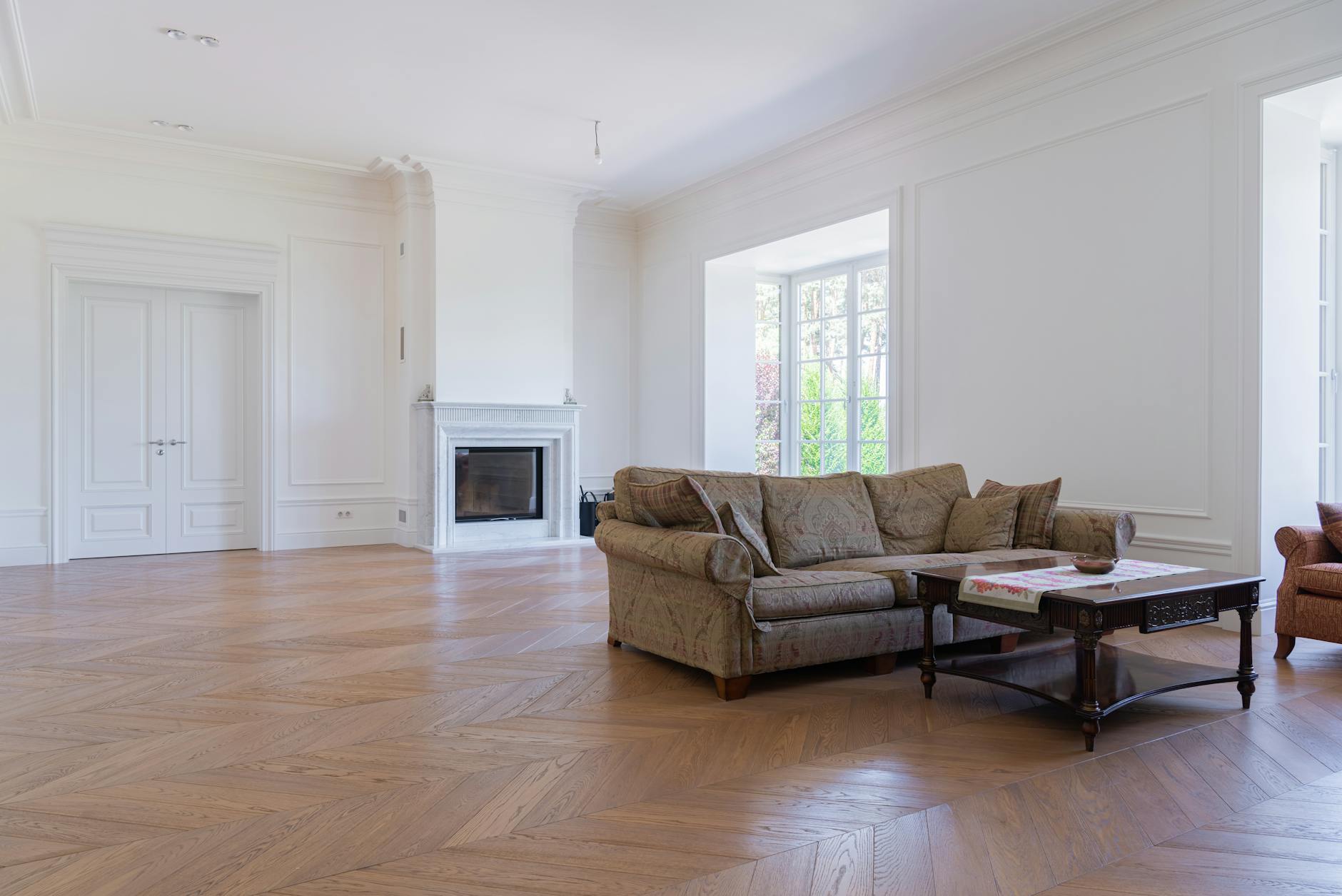
Hardwood is made of older trees, takes more time to grow, is more expensive, and less sustainable. It is made of deciduous trees such as beech, oak, and maple. The most common uses are for flooring, cabinetry, and high end furniture.
Softwood is made of younger trees that take less time to grow, is more affordable, and more sustainable than hardwood. It is made of evergreen trees such as pine, fir, and spruce. The most common uses are for building materials, decking, and decorative elements like trim due to its ease of carving.
The last trending style that lacked wood tones and new trends that are emerging
One of the most prevalent design trends that has recently faded out is minimalism, but it is often associated with the “millennial gray” movement. First becoming relevant in the 2010s millennial gray became a staple in the generation’s homes for its soothing, neutral, versatile properties. It served as a rejection of the colorful, warm tones of the previous trends, and served purpose for the new generation of home owners. In a time of growing economic uncertainty, the need for an affordable option that could be styled in many different homes became ever-growing.
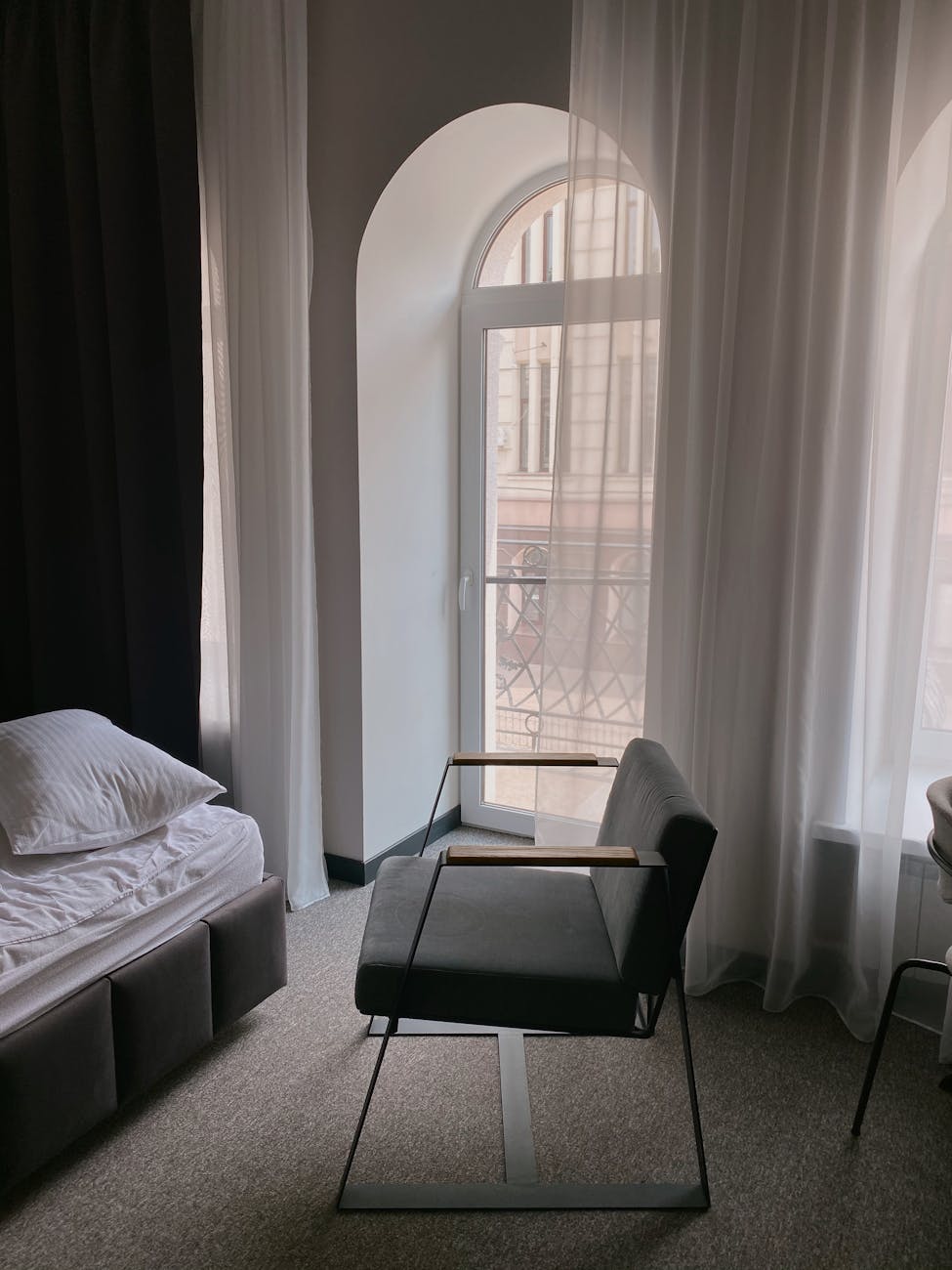
However, its neutral, cool nature led a lot of spaces to feel empty, cold, and impersonal. Additionally, with the rise of house flipping (when an investor buys an older home, “flips” it by renovating it for a very cheap price, and then resells it for more money), millennial gray became the staple as it was cheap, replicable, and standardized.
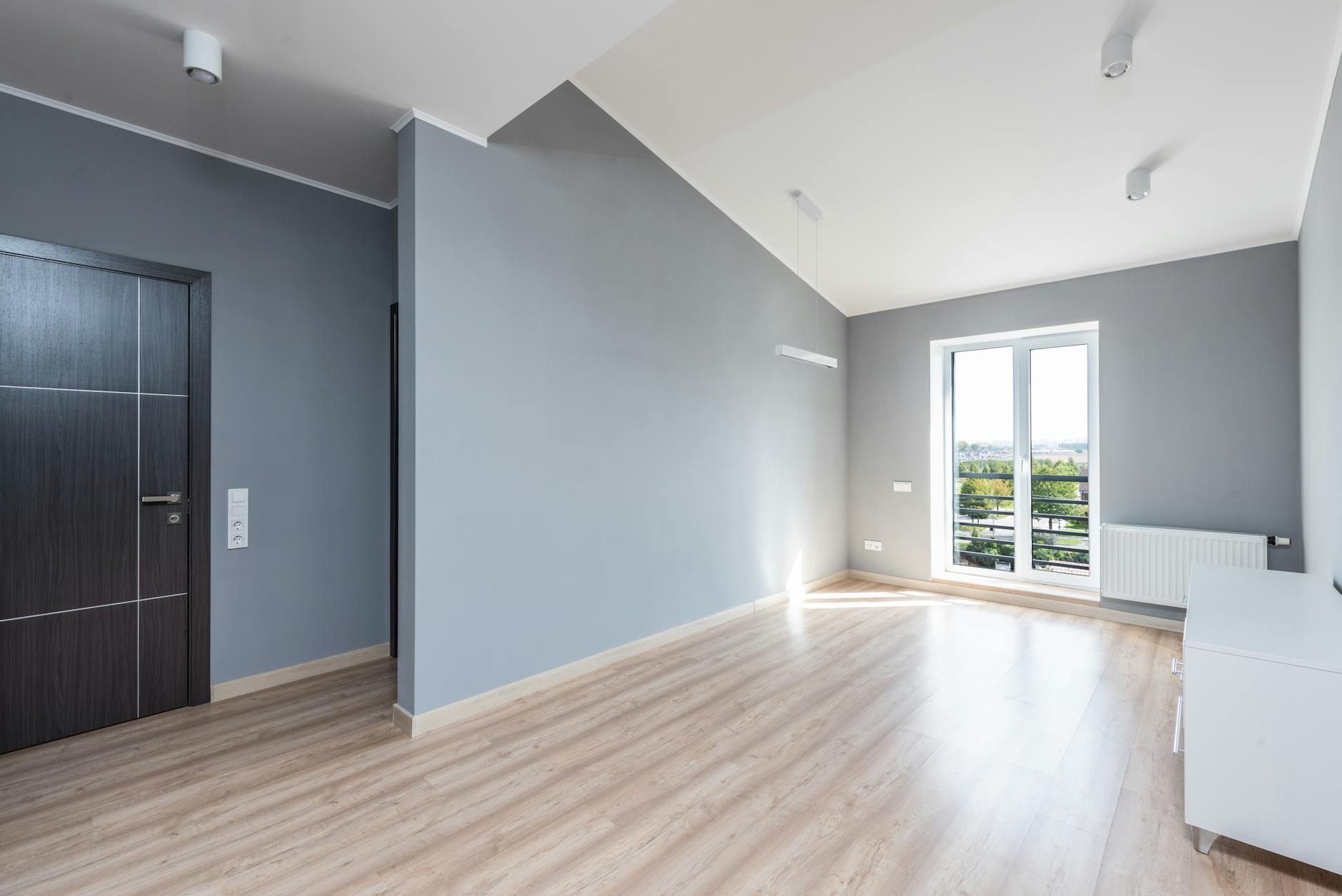
Ironically, this is part of the exact reason why it has fallen out of favor, and why younger and older generations alike are turning back to the warmer, more colorful palettes from before.
What demographics are at the forefront of this movement
While I’m sure older folks appreciate the styles they grew up with coming back into the spotlight, it is Gen Z who is really at the forefront of this new movement. Often referred to as “Gen Z maximalism”, this new trend of warmer tones, bold colors, and eclectic spaces is bringing back wood in a big way. From preserving wood already featured in the space to restoring or even adding their own touches of wood, it is a great way to accentuate the cozy, personal feel that this style achieves.
How to incorporate it into your space, whether just upgrading or redesigning the whole thing
OKAY… now that you know everything there is to know about wood’s past, present, and future in the interior design world, here are some tips on how to incorporate it into your space! I’ll list some permanent and non-permanent options 🙂
Furniture: Alright this one might be obvious, but it’s still important! Wooden furniture, especially thrifted pieces, is an incredible way to add those natural warm tones into your space. Whether it is a wardrobe, a shelf, or a countertop, it can really stand out and add beauty to your home.
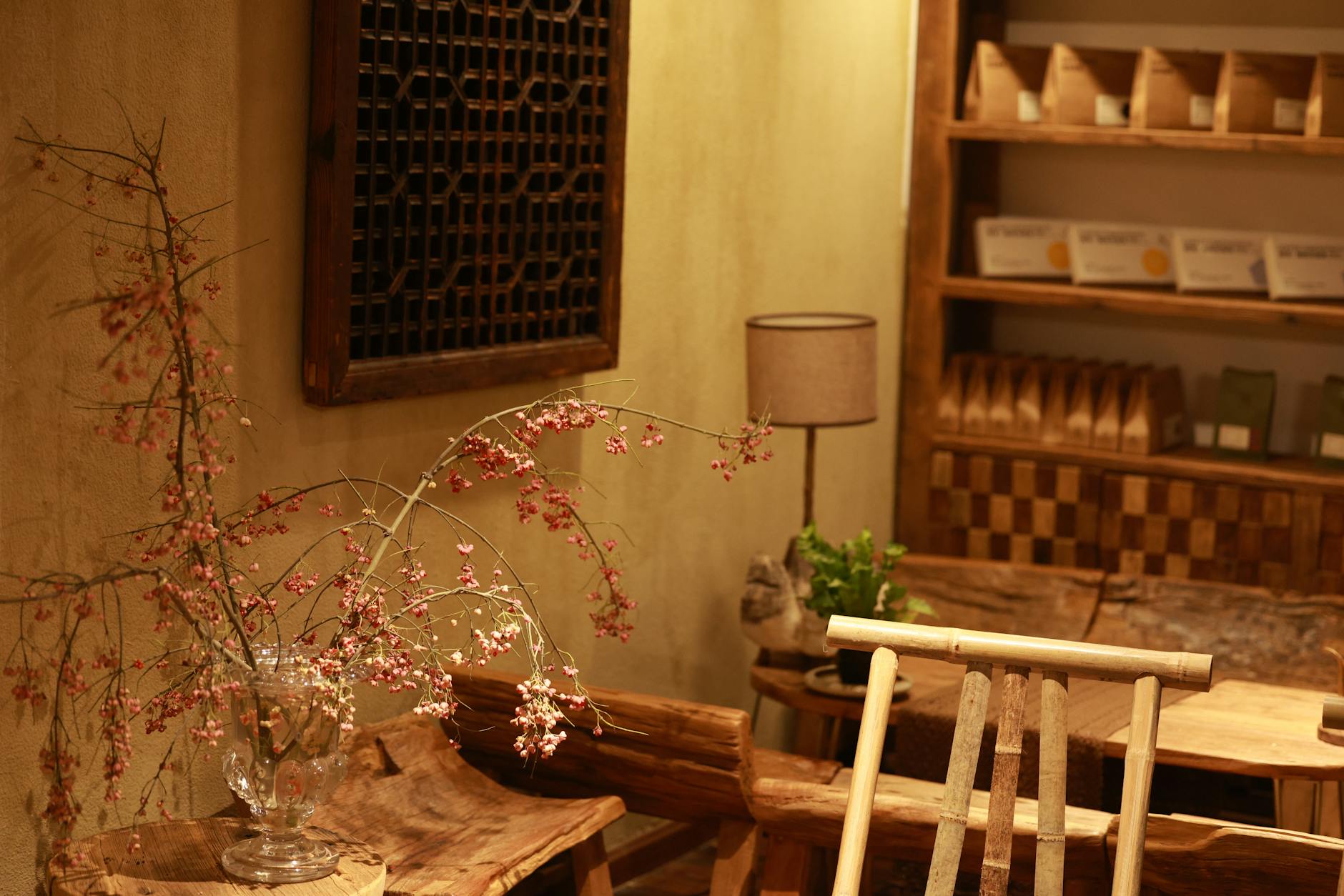
Paneling: A classic! There are permanent and non-permanent ways to implement this, so renters, you’re not excluded from this one! There are wooden and veneered panel options that can be either nailed, glued, or stuck to the walls in part or all of a room (or even on the ceiling!!). From more traditional styles that incorporate prominent graining to more contemporary styles that use ribbed bamboo, the opportunities are endless! There are even some soundproofing panels that look like wood 😉
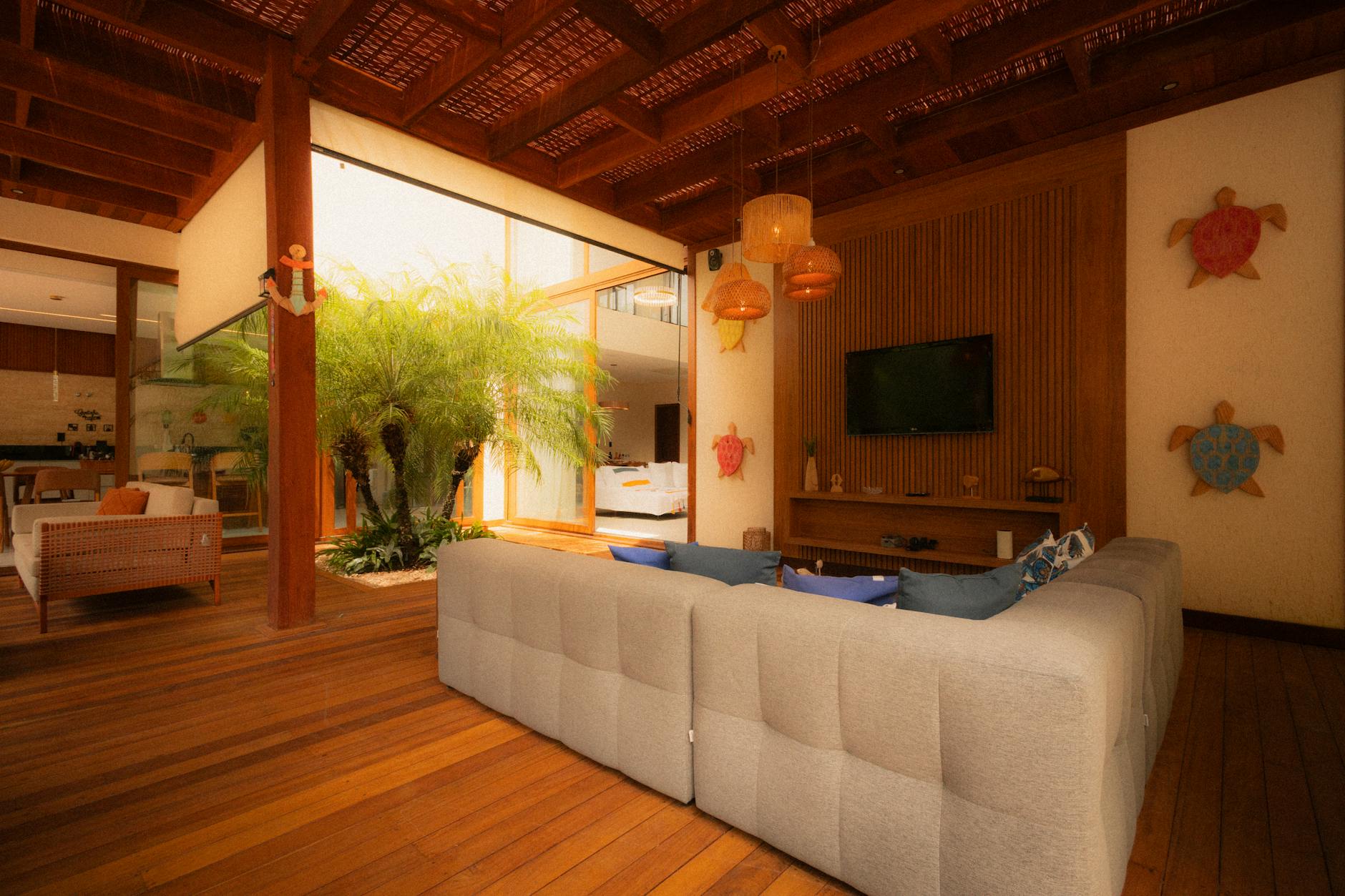
Décor: Handcrafted vases, wooden artwork, and wooden bowls are a wonderful additional to a space. This is an easy, affordable way to add wood to your home that has the added benefit of being movable! Countless craftsmen specialize in wooden décor – chances are there’s one local to you!
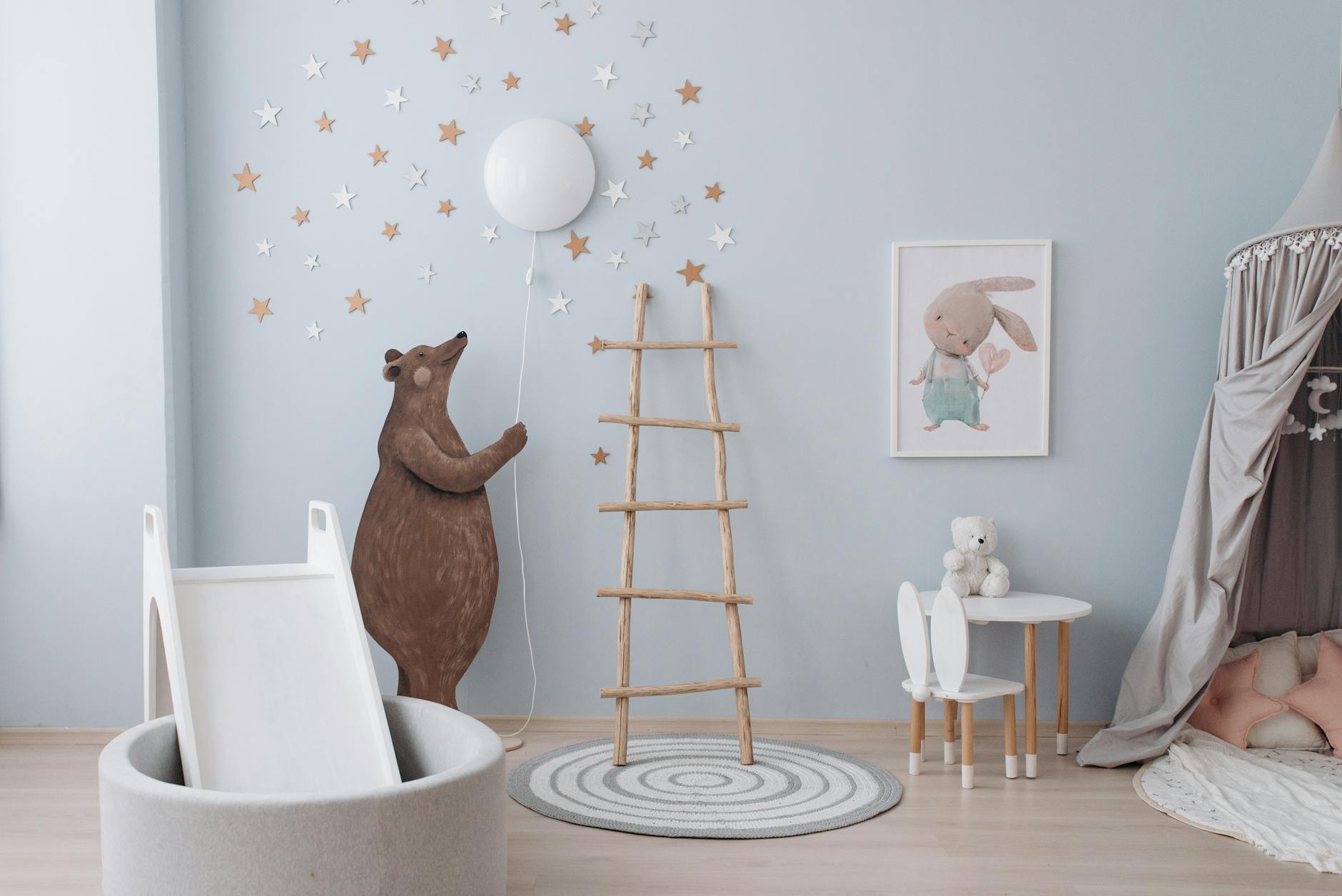
Flooring: Another no-brainer, if you’re looking for something more permanent and it’s in the budget, then hardwood floors will warm up the entire space instantly. There are also vinyl, laminate, and bamboo options that are often more sustainable, more affordable, and more readily available for those who may not be able to afford hardwood or do not want to deal with the upkeep that can often be associated with it.
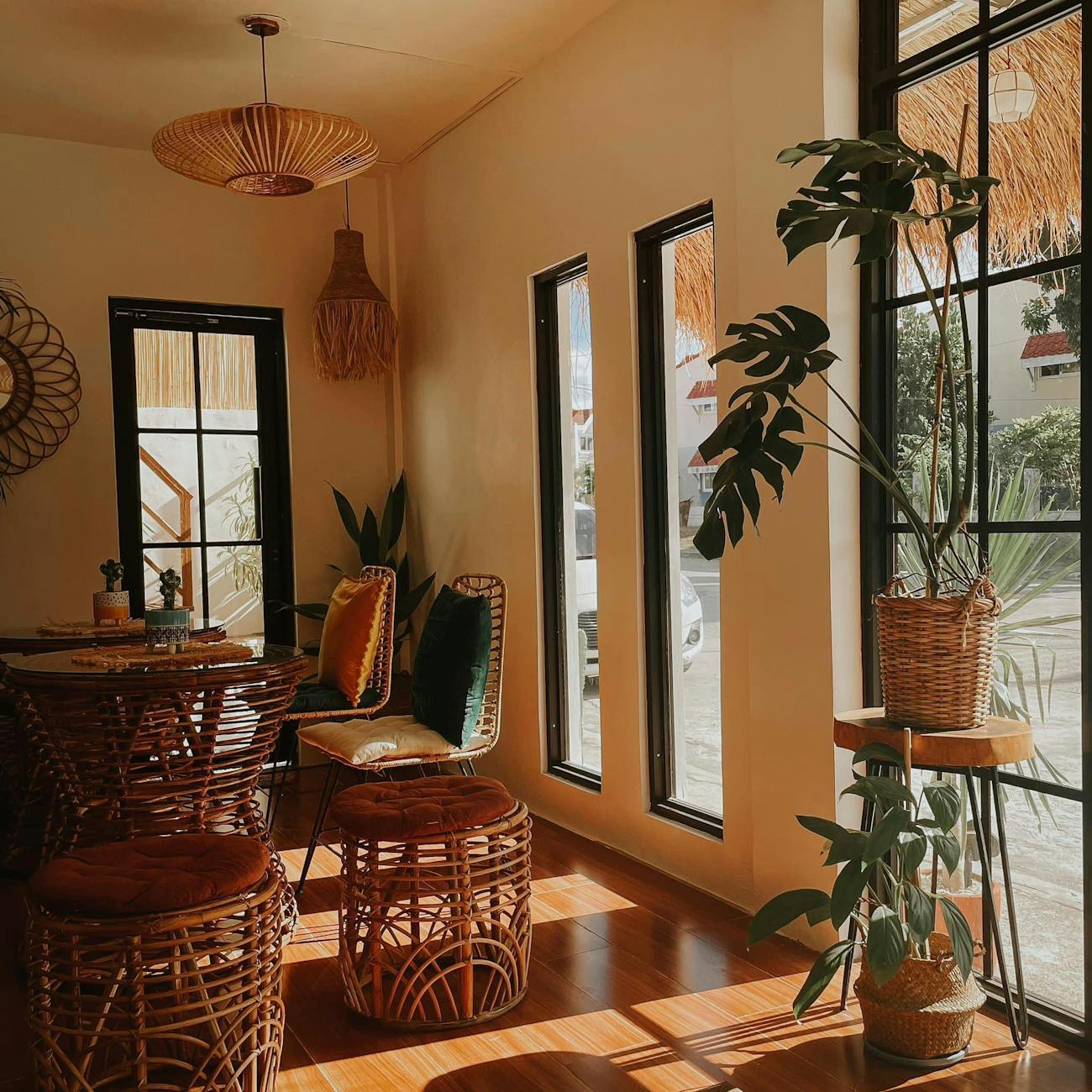
Cabinetry: Whether in a kitchen, a bathroom, or built-ins in another room, cabinetry can be an awesome way to introduce some wood tones into the space due to the wide range of options for wood species, styles, and stain. Whether it’s a feature hood of walnut or a wall of flat panel maple doors, the ways to incorporate wood into your cabinetry are virtually endless!
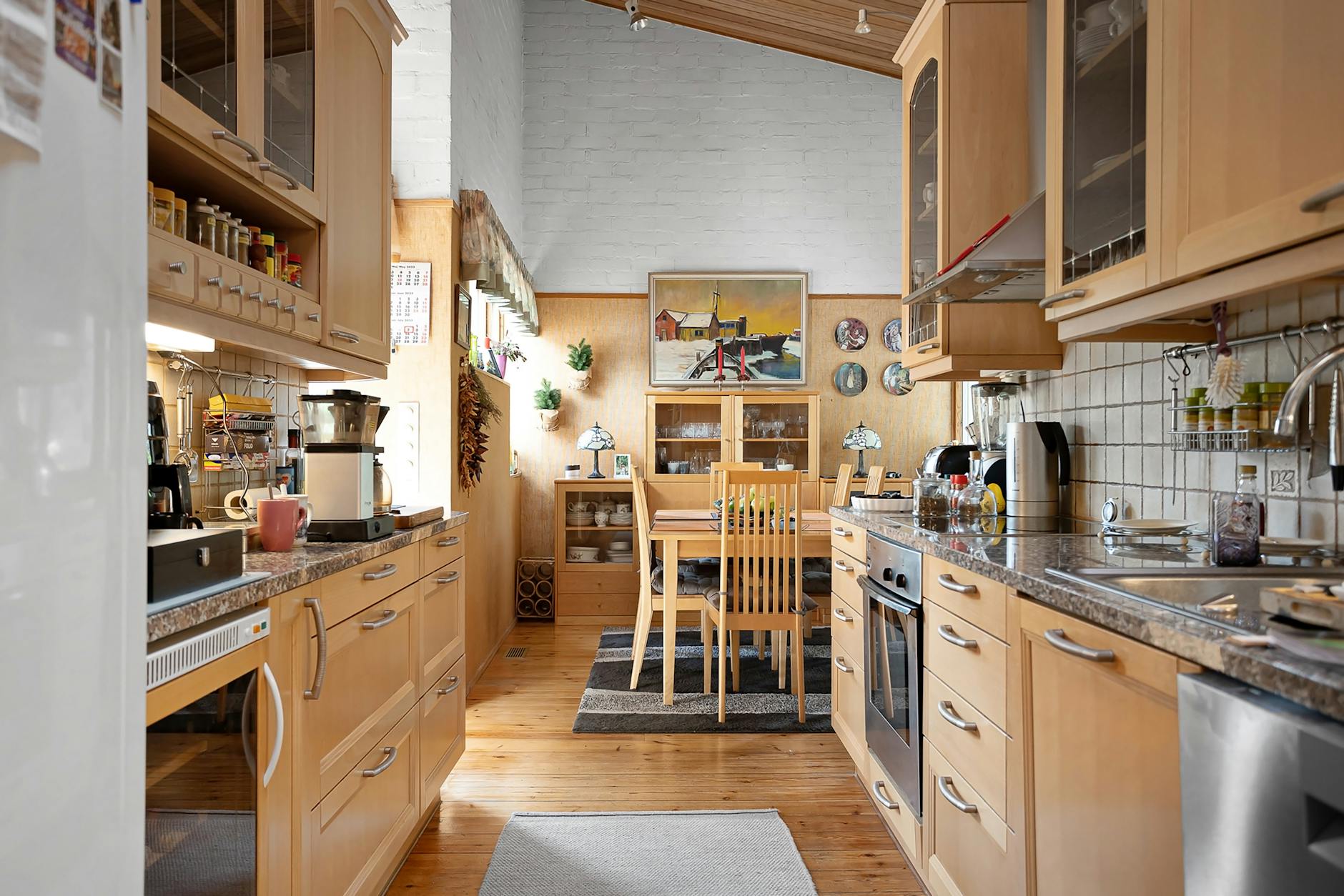
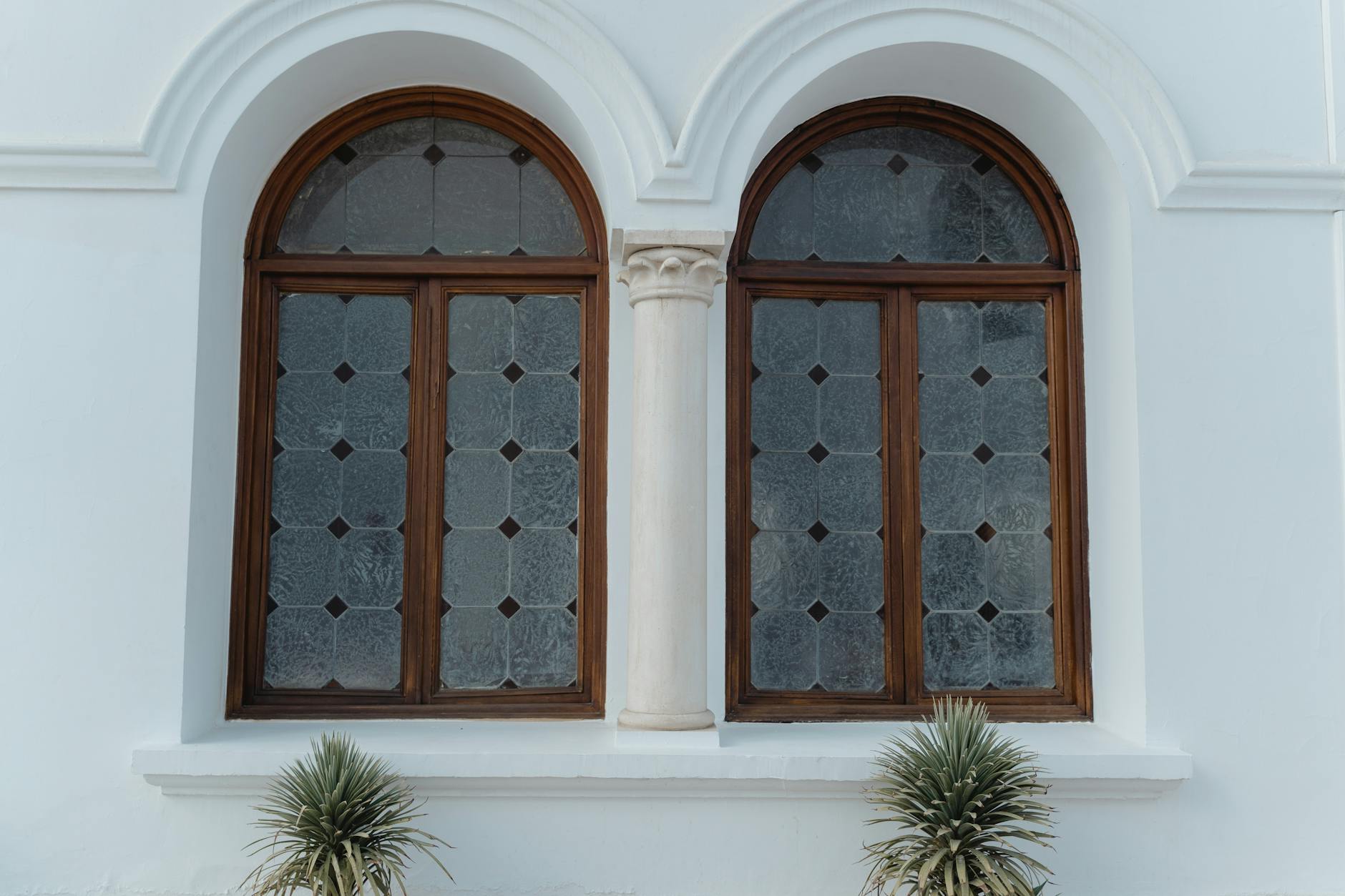
Trimwork: Often an overlooked part of designs, the trim around your windows, doors, floor, and ceiling can make a huge impact on the feel of a space. Using wood tones makes your space more cozy, and if you combine it with wooden doors, there is a distinct mid-century feel that is often characteristic of Gen Z maximalism.
Some cited sources!!!!!!!!
https://www.onlinedesignteacher.com/2016/02/furniture-design-history.html
https://www.cutr.com/articles/evolution-of-veneer-in-interior-design
https://www.apartmenttherapy.com/history-of-wood-paneling-37089848
https://www.nar.realtor/blogs/styled-staged-sold/say-goodbye-to-millennial-gray
https://bhgrebeyond.com/blog/Home-Trends–Gen-Z-and-Maximalism-in-2025

Leave a comment