In a world of increased development, aging homes, and converted old facilities, the chances of landing a home that has been flipped or majorly changed for an affordable price are much higher than you might think. Unfortunately, these renovations are often done as quickly and cheaply as possible, which may not seem like a huge issue at first glance, but will lead to some very expensive headaches in the not-so-distant future. Let’s take a look at some things to look out for, to ask about, and to avoid all together:
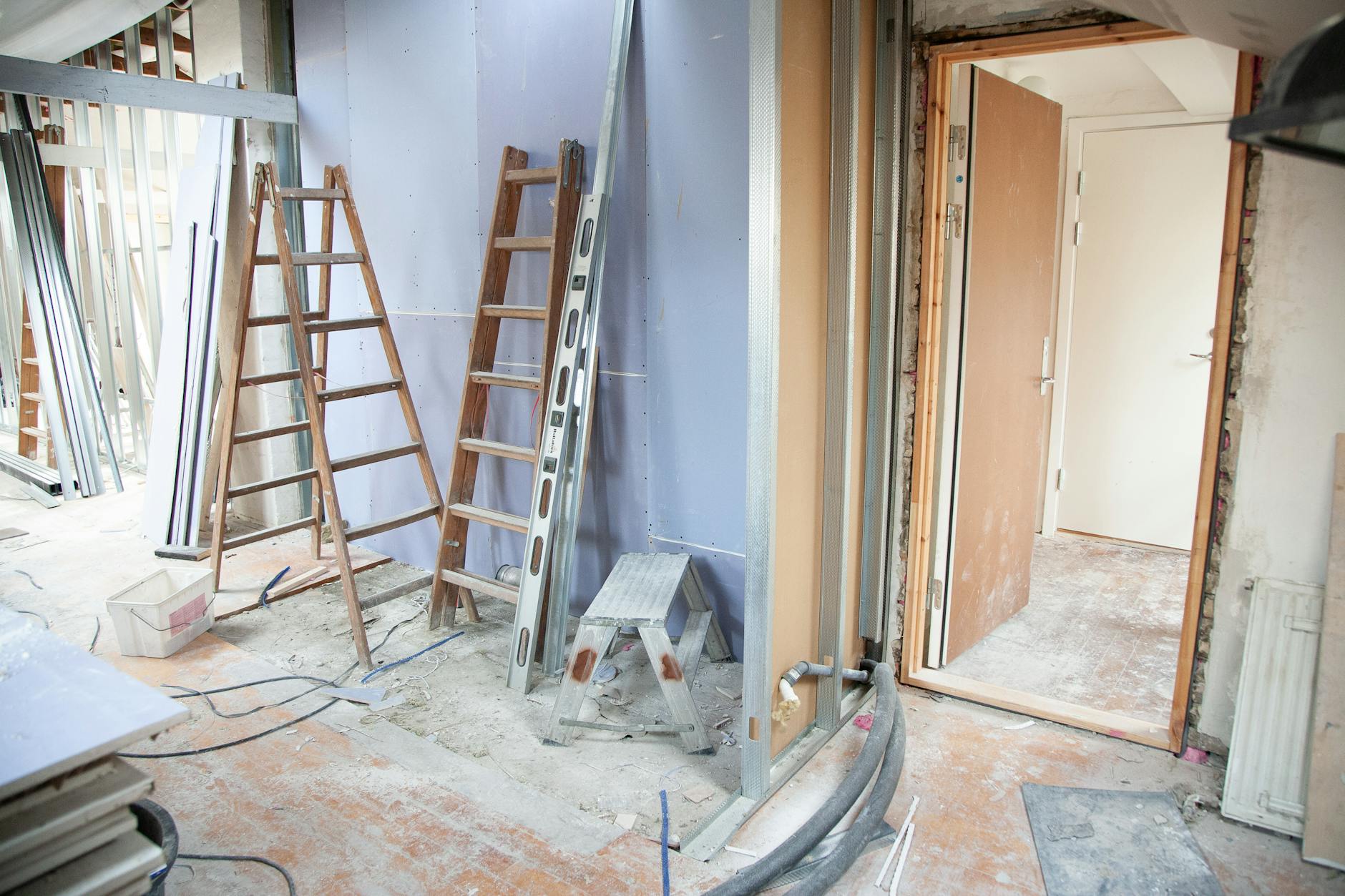
What to look out for
When you tour a potential future home, pay special attention to some of these areas that are classic indicators of a cheap flip –
- How well the countertops are attached to the cabinetry and walls in the kitchens and bathrooms
- How well the tiled backsplash is secured to the walls and if it is edged properly
- What quality the cabinetry is, what brand it is (look it up afterward), and if it is installed properly (no seams between cabinets, trim secured firmly on the top and the bottom, finished ends or panels on the sides of every exposed cabinet, proper spacing to allow appliances to function properly, etc)
- The quality of the flooring throughout the home, as well as how it is transitioned if the material changes
- For the exterior, check if there are any visible issues with the siding, gutters, or roof (exposed nails, uneven coverage, gaps, loose paneling, rusting, opportunity for leaks, etc)
- Run the water, make sure it runs smoothly, cleanly, and does not result in any leaks
- Pay attention to the smells in areas surrounding water supplies… THIS INCLUDES WALLS AND CEILINGS TOO
- Look at the drywall to see how it has been joined at the seams, if there are any spots, if it is smooth, and if it is painted with quality in mind
- Check the exterior doors and windows for possible drafts and if the trim is installed and finished properly
- Check the trims of the bathroom fixtures to ensure they are sealed and finished to match the rest of the room
What to ask about
Some information is not as visible, but it can be revealed from information that the seller must legally provide to you. Here is what to ask about –
- What type of framing was used?
- What type of insulation?
- What type of drywall?
- What brand of cabinetry is used?
- What type/brand of flooring?
- Is the grout used sealed?
- When was everything updated?
- What needs to be updated?
- Has the proper permitting been completed?
- Are there warranties on any of the work/materials in the home?
- Is the home Eco-friendly?
- What type of subfloor is there?
- Is there proper waterproofing in wet areas?
- If the property is connected to other buildings, what fireproofing provisions are in place? Soundproofing?
While some of these questions may need a little research to find the answer to, the seller should be willing to provide this information. If they are not, that is a possible sign that their either don’t know, don’t want to tell you, or don’t care.
What to avoid
Now that you have some information, both visually from your walk-through and concretely from your questioning, here are some things to avoid (both aesthetically and functionally) –
- Builder-grade cabinetry. This is the cheapest, grab-and-go, lowest quality stuff a flipper can get. This is a tell-tale sign they did not care about their renovation, just making a profit. Not only that, but these cabinets will fall apart in a couple of years if they even make it that far (this is coming from someone who used to sell cabinets for a living, trust me)
- Cheap countertops. This might be harder to spot if you are not aware of the materials on the market, but it is something they will try to make a profit off of (aka charge you 3x what they paid)
- Any walls or ceilings with a sign of water damage or other staining
- Flooring that does not belong where it is installed. This could be something as obvious as carpet in a basement, but also things like tile meant for a wall used on the floor of a high-traffic area
- Flooring that is not installed with care (messy edges, gaps in the locks, uneven spacing, excessive creaking or buckling, large-format tiles on uneven floors, etc)
- Doors and windows that are not sealed properly (no drafts, thank you)
- Improper insulation (thin walls = loud neighbors and higher electric/gas bills)
- Avoidant sellers. If they can’t, won’t or don’t want to give you information about the remodel or the property you are considering buying, chances are there is a reason they are withholding details.
- No permits. This likely means that they did the job extremely fast and extremely cheaply. It could also be even more serious as an indicator of practices that are not up to code such as patchwork plumbing or shotty electrical work.
- Cheap finishes like lighting and faucet fixtures, hardware, and plumbing fixtures. While it is already bad enough that you are paying a high price for these cheap cosmetics, it is an indicator that the same “lowest possible option” mindset was used for the renovations that are not as visible like piping, wiring, and framing.
While this is a list that should be referenced whenever looking at homes, not all renovated homes are a flip. There are people who love restoring aging properties to livable conditions, and these homes are often updated with care, quality, and longevity in mind. This is a warning about the ever-growing industry of profit-focused, money-hungry individuals and businesses who are putting their communities at risk for a quick buck. It is a really good idea to bring your designer (or someone in the industry) with you when looking at homes. They will likely see things you don’t, think of things that wouldn’t cross your mind, and see through the front that many flippers put on.
The takeaway
Flippers do cheap renovations for profit, not because they love doing quality renovations and making beautiful properties for those looking to buy a home. Keep that in mind even when they try to sweet-talk you. Their goal is to make a ton of money for themselves and their businesses. They are not concerned with fairly paying their workers, sourcing quality materials, or providing a nice, lasting home for the community. They use people’s homes, which are the largest purchase they will likely make in their lives, as a vehicle for passive income. They are investors, not designers.
Stay safe out there, stay informed, and happy home-shopping! When you’re ready to hire a designer, you know who to call 😉

Leave a comment