With an increased public focus on making accommodations for those with disabilities, this started being taken into account during the design process. There was an issue, though: How do we make sure the space is actually accessible if there are no real standards to follow, like with designing for able-bodied people? That’s where ADA Compliance and standards came in. Let’s take a look at what ADA standards really are, and how they affect the design of a space.
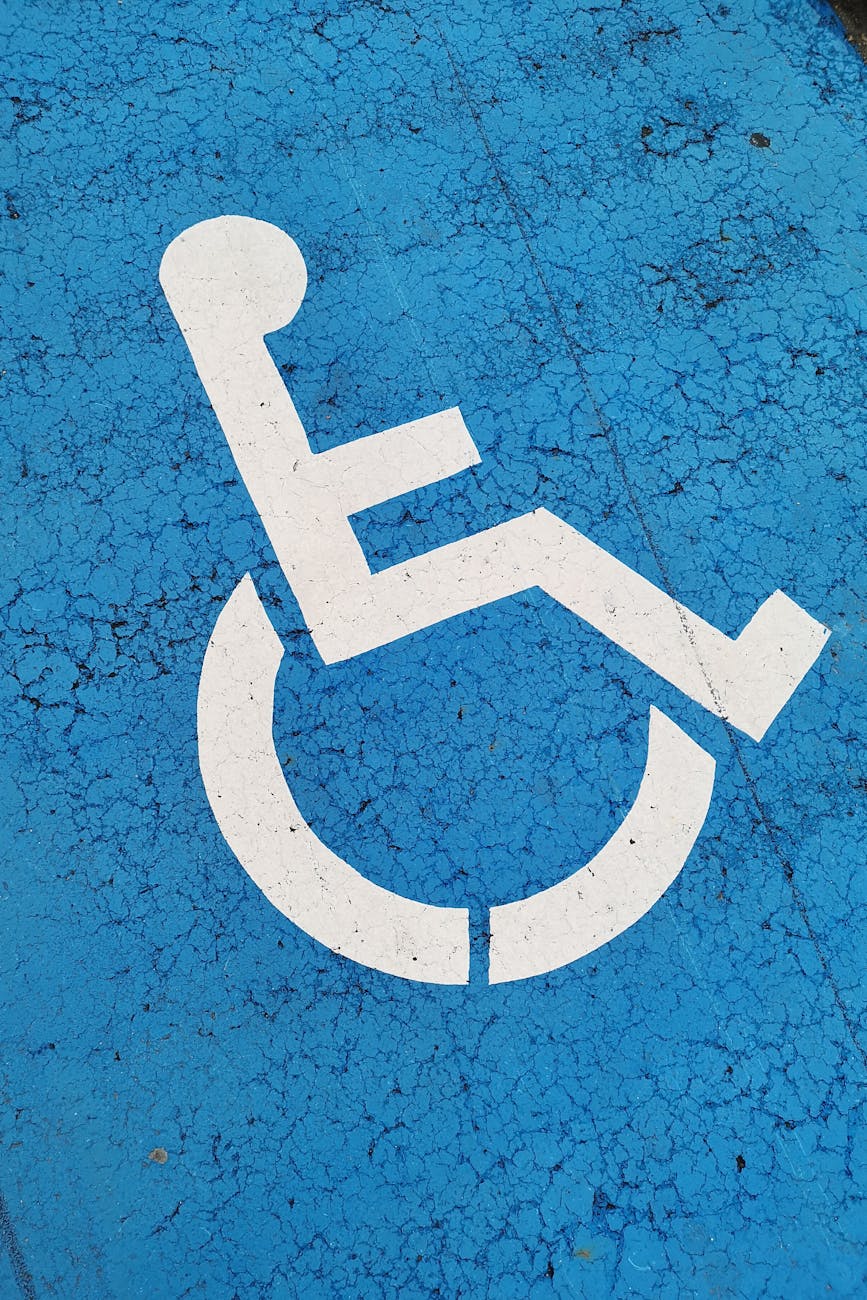
What is ADA?
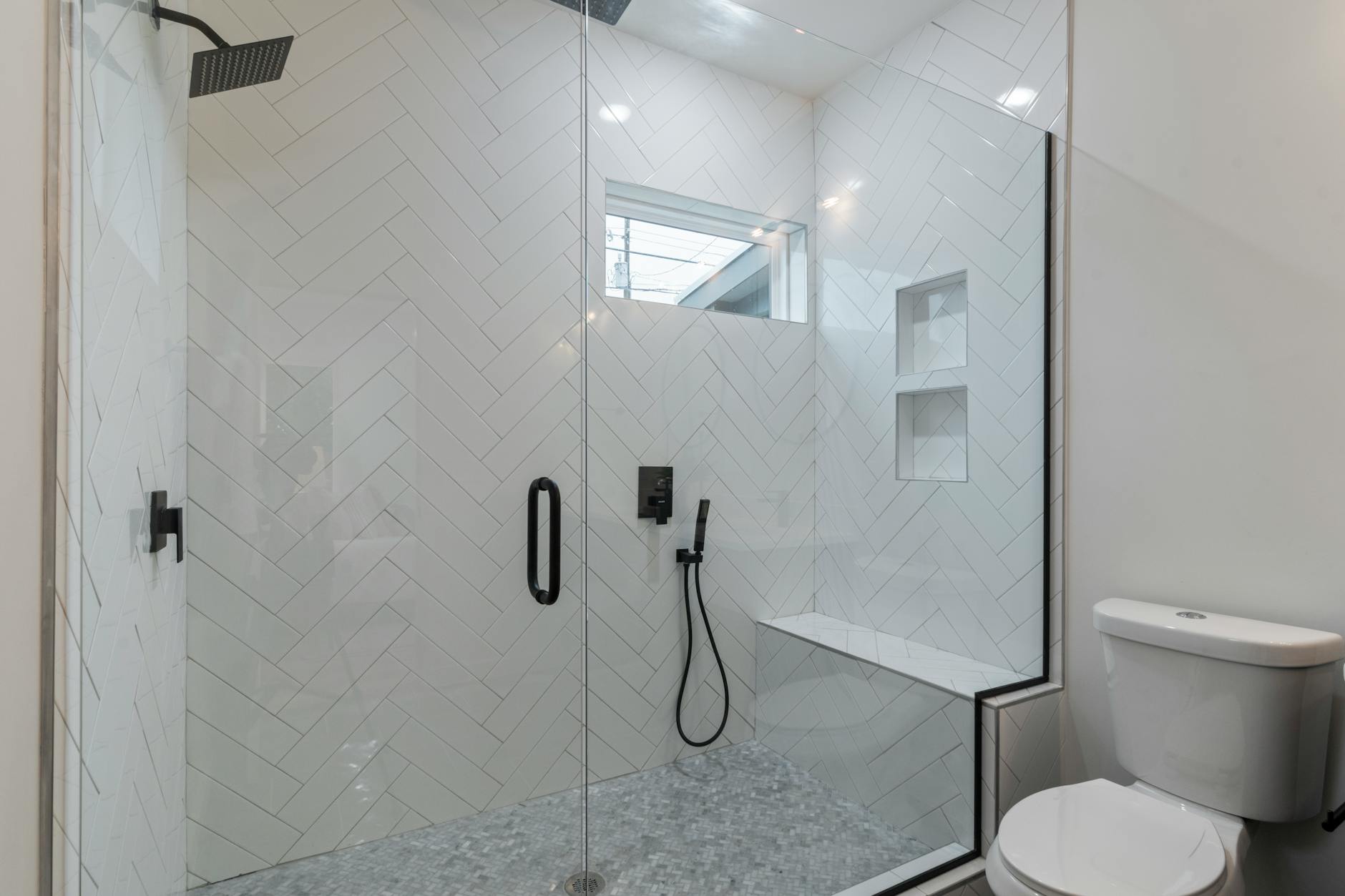
ADA, or Americans with Disabilities Act, is a piece of legislation that protects and empowers, as the name entails, those with disabilities in America. It was passed in 1990, and paved the necessity and future path to ADA standards for designing new spaces (or remodeling old ones). In these standards, some rules outline the slopes and required landing spaces of ramps, navigation distances for hallways, kitchens, and doorways, and dimensions for cutouts in cabinetry for ease of use. There are rules on toilets, showers, sinks, and countless other aspects of residential spaces, as well as hospitality, commercial, and medical facilities. Now, let’s see how this can look in a space vs. a traditional design.
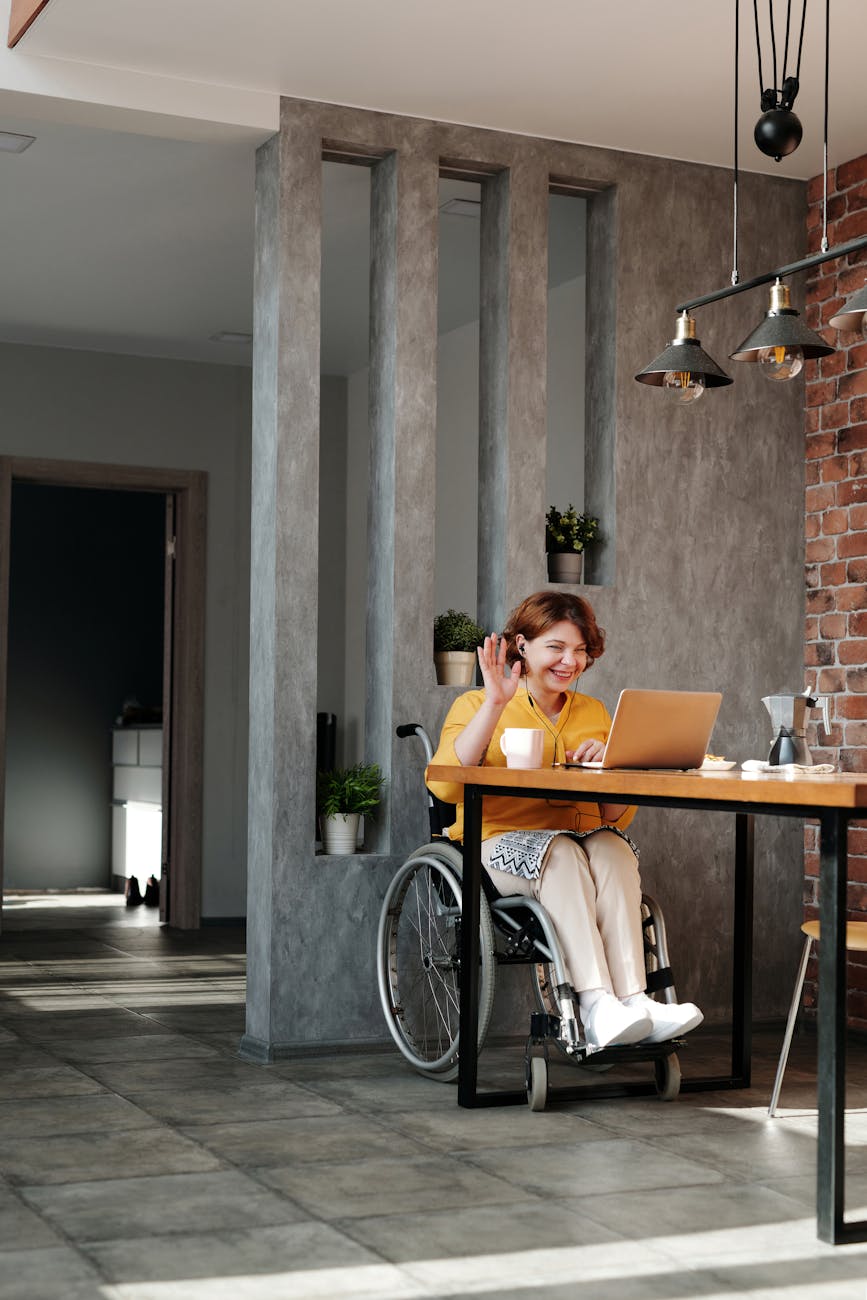
How is it used?
Now, I am looking at this from a residential perspective, as that is what I have my training in and the industry I prefer to work in, BUT if you are looking for a resource on the other types of spaces, there are plenty of resources out there, I promise 🙂 I discussed more general design concepts for aging in place, and in many ways, these two aspects of conscious design are similar. However, for a design to qualify as ADA-compliant, specific rules must be followed. Here are just a few of those rules when compared to the general standards:
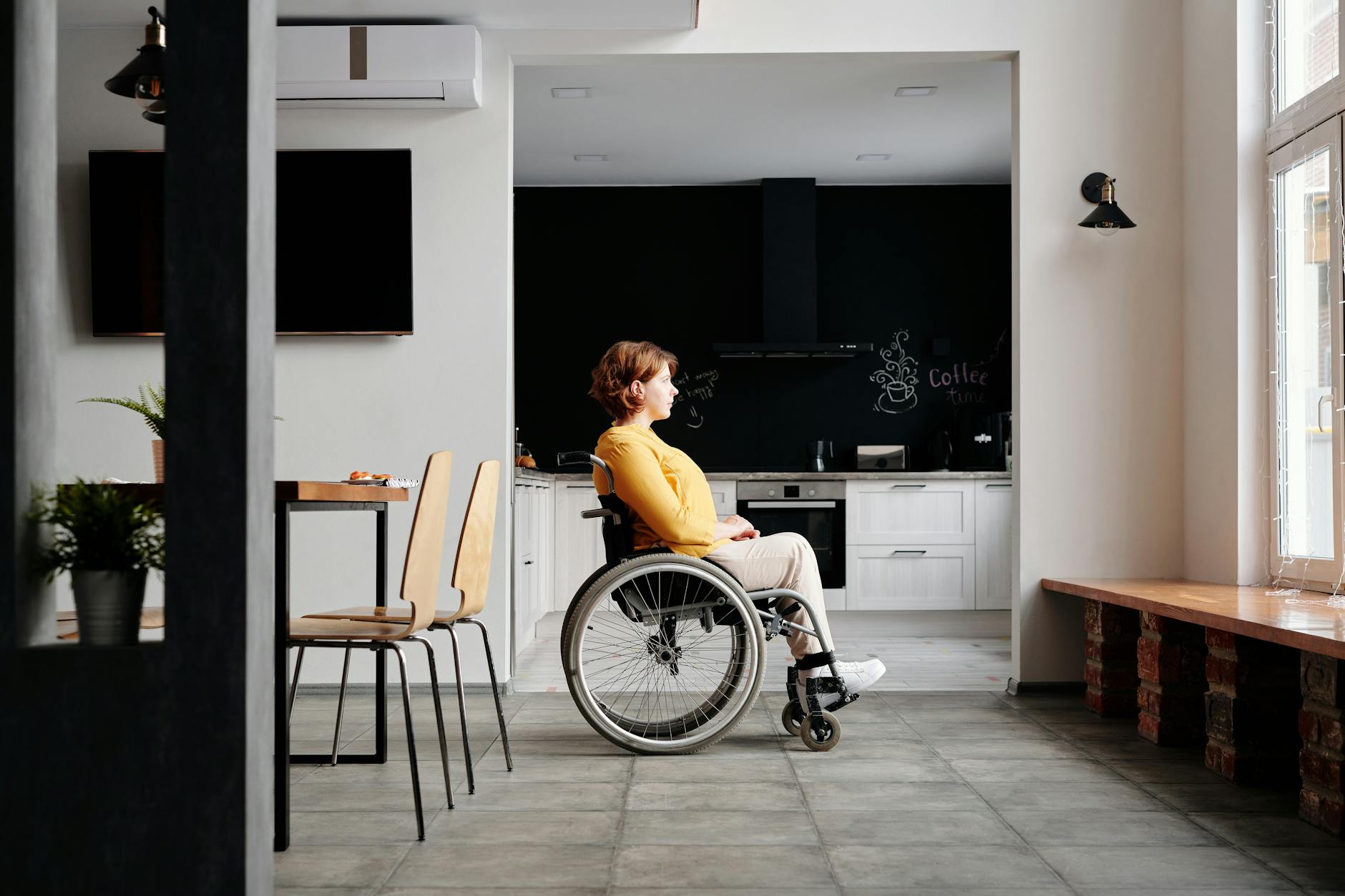
“Walkway distances” – While walkway distances are the most commonly used nomenclature for distances between walls, objects, or structures, I feel that “navigation distances” are a bit more inclusive when it comes to ADA Compliance. Anywho… the general best rule of thumb for these areas is typically 36″, which accommodates a typical wheelchair. This is actually the standard for general design now too, as it is simply more comfortable and more accessible for all.
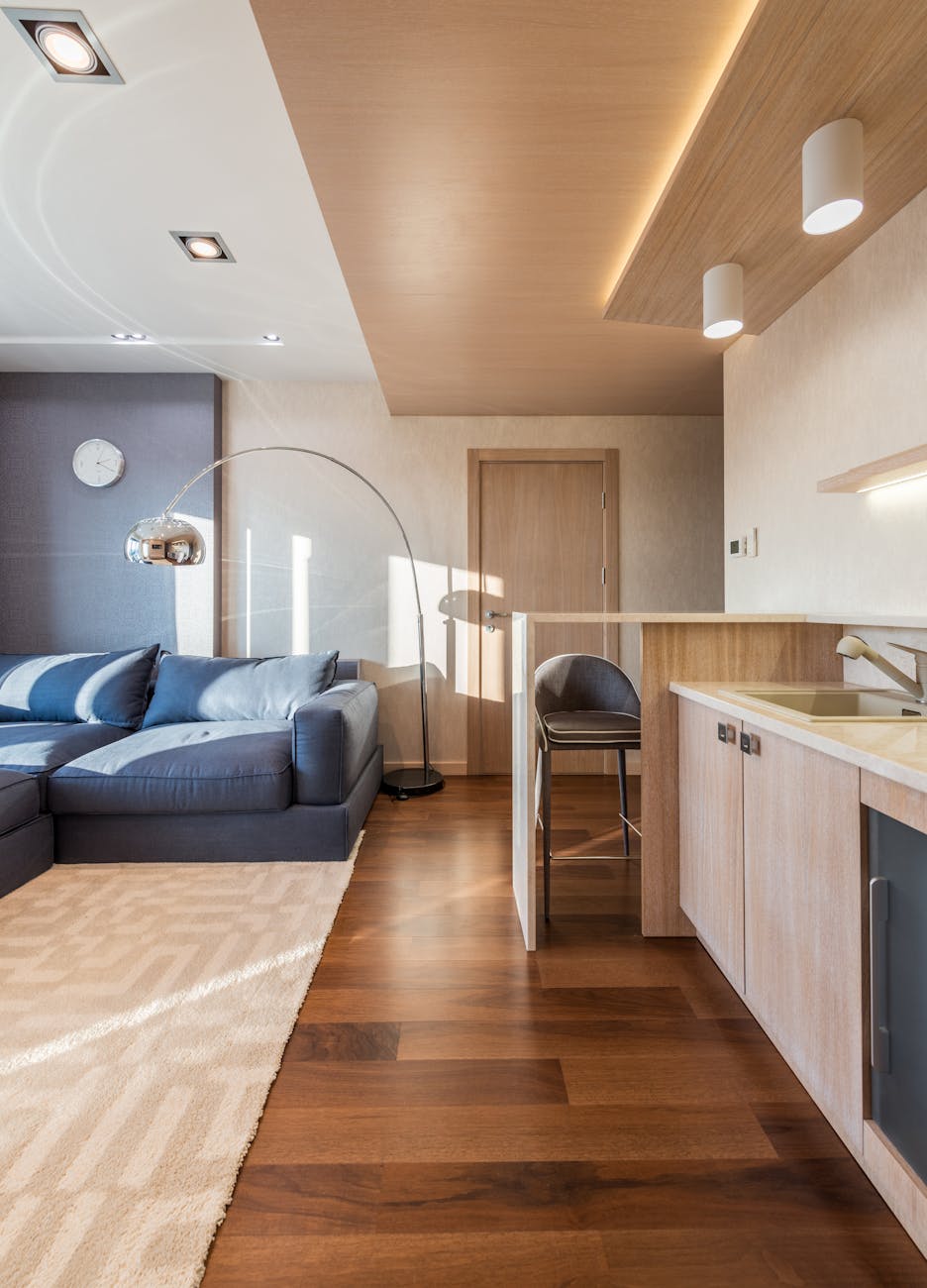
Doorways – The minimum for an ADA-compliant doorway is 32″, whereas local or other building codes often allow for widths as small as 28″, depending on the circumstances, for general designs.
Ramps – There are extensive and specific rules concerning ramps for ADA-compliant designs. There are rules about slope, about width, about landing areas, about railings, and just about every one of those standards is pretty strict, but for good reason. These are the access points for those with disabilities, sure, but also the exit points. Means of exiting are some of the most crucial parts of a design, as their good design can greatly reduce to possibility of disaster in the event of an emergency. In general designs, more of the rules are focused on stairs, as these are more commonly used when ADA is not of concern.

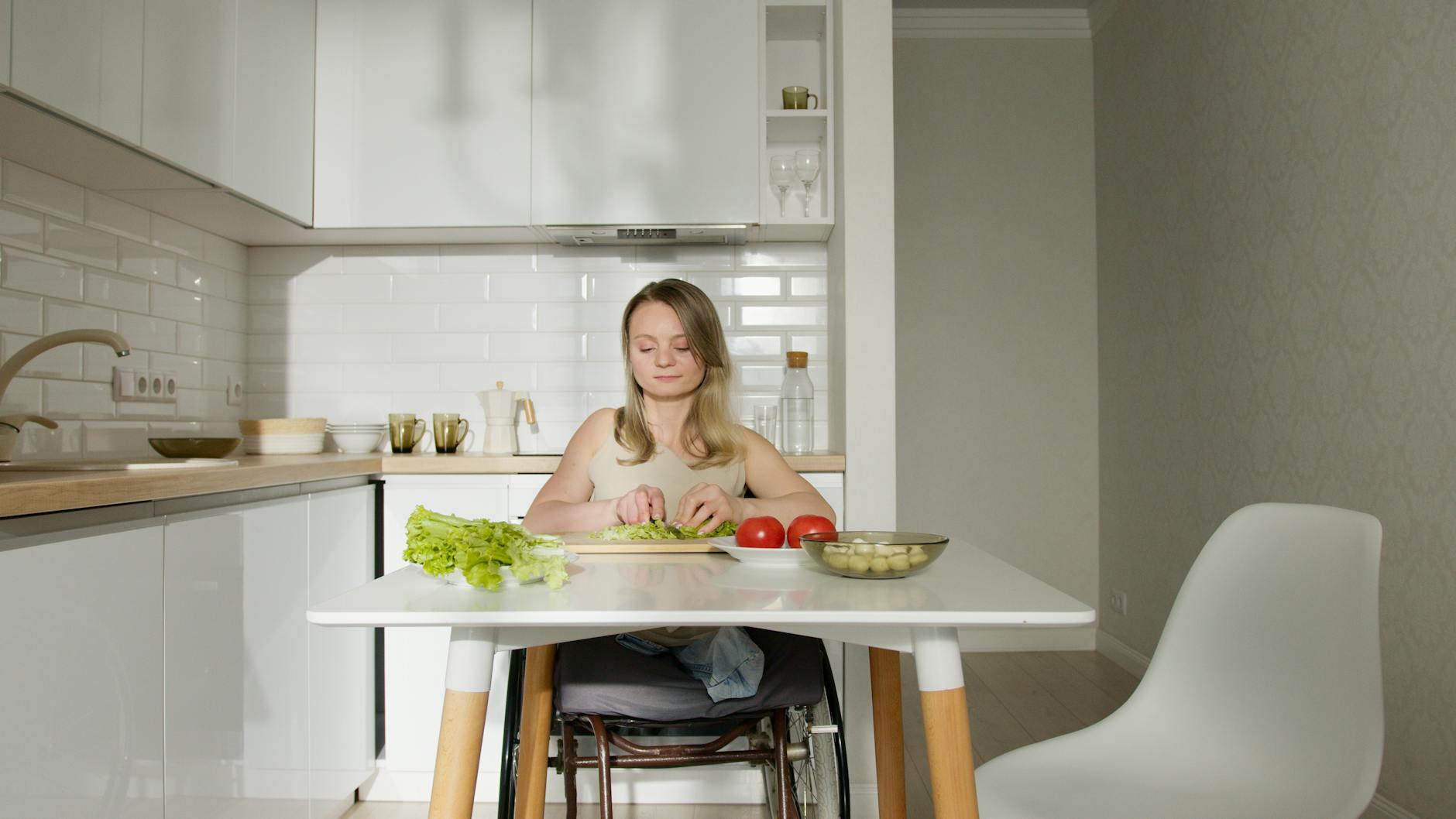
Kitchens – There are a myriad of aspects that go into a kitchen design, all of which have VERY detailed guidelines for ADA standards. The traditional standards, such as spacing between cabinets and the hood, are still in practice, but since there is an additional need, there are additional ADA guides. One that stands out as the most different is the need for knee and toe space for work areas in the kitchen. Where there would previously be drawers or cabinet doors, now there needs to be a space where a seated person or wheelchair can comfortably perform the functions of cooking.

While this was a brief overview of the world of ADA compliance, it is a truly in-depth area of design that many overlook or choose to move away from due to the complexity. It can be intimidating, and it can inform your decisions a TON when designing with accessibility in mind, but it is so crucial to find designers who are ready and willing to work with you on these aspects to ensure a comfortable and functional space. At Dumont Collections and Design, we embrace the need for these additional regulations and do not feel that you have to sacrifice style for safety. Leave a comment or reach out if you want some more info!


Leave a reply to WearingTwoGowns Cancel reply